

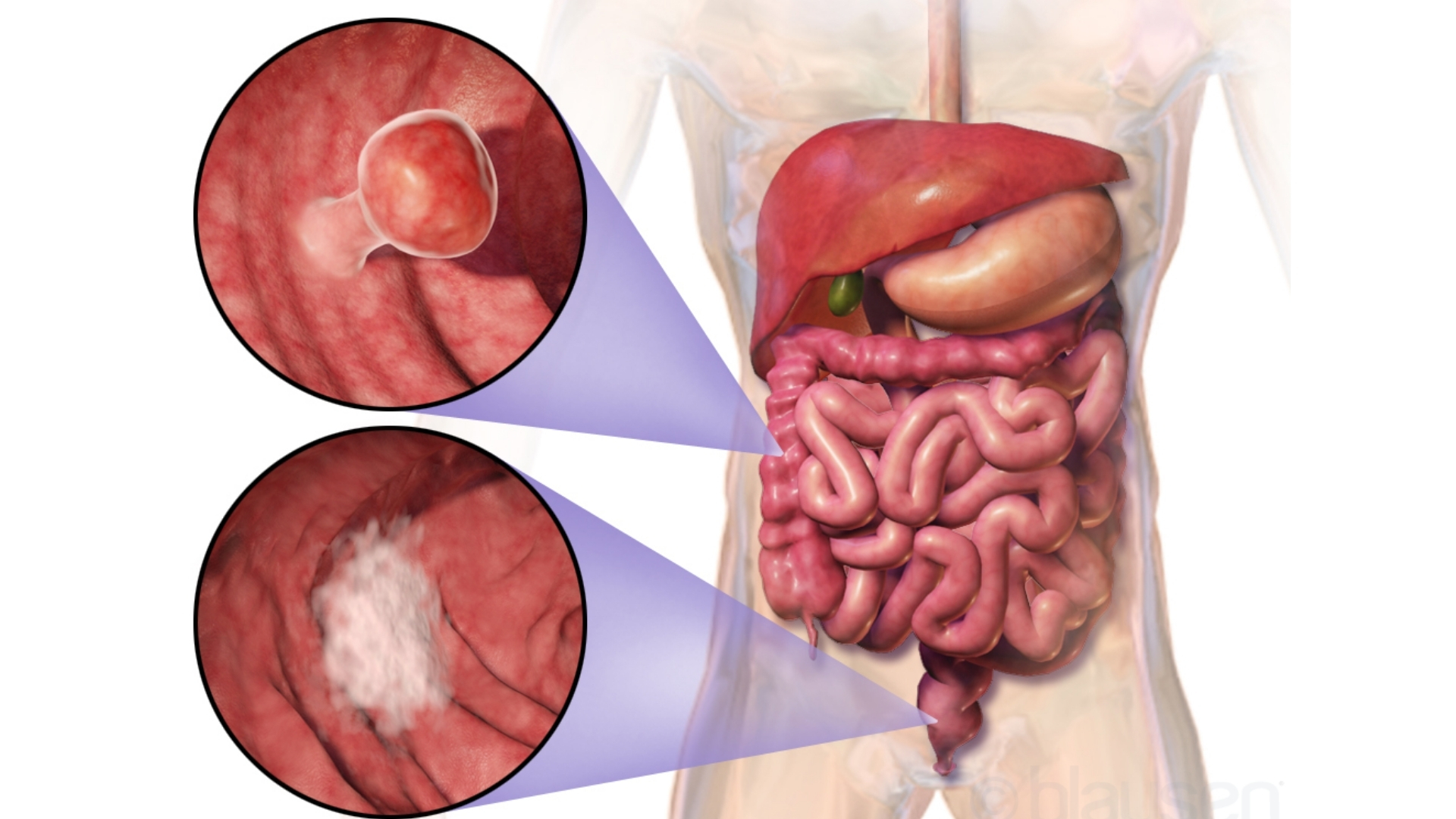
Understanding Colorectal Cancer (Colorectal Carcinoma) is essential in recognizing its biological mechanisms, symptoms, and pathways to hope and health. Colorectal cancer refers to malignant tumors arising from the inner lining of the colon or rectum. These cancer cells proliferate uncontrollably due to genetic mutations, leading to tumor formation.
What Is Colorectal Cancer (Colorectal Carcinoma)?
A hallmark of Colorectal Cancer (Colorectal Carcinoma) cells is their altered metabolic activity, prominently described by the Warburg effect—cancer cells preferentially consume glucose at an astonishingly high rate, approximately 200 times faster than normal cells. This altered energy metabolism is a vulnerability targeted by breakthrough metabolic therapies pioneered by leading oncology experts such as Dr. Li Guohua, Metabolic Oncology Pioneer.
Prevalence and Regional Trends in Hong Kong and Asia
Colorectal cancer ranks among the most prevalent cancers globally and is especially significant in Asian populations. According to the World Health Organization (WHO) 2024 data, colorectal cancer affects approximately 1.9 million individuals worldwide annually, making it the third most common cancer. In Hong Kong, colorectal carcinoma is prominently significant—ranking second in incidence and third in cancer-related mortality, impacting both genders but increasingly prevalent in individuals aged 50 and above.
- Age: Higher incidence in ages over 50, especially prevalent among older populations in urban Asian regions like Hong Kong.
- Gender Distribution: Slightly higher incidence in males compared to females.
- Emotional and Physical Impact: Fatigue, chronic bowel discomfort, anxiety, and reduced quality of life are common burdens experienced by patients and their families.
Early diagnosis and treatment advancements, including innovative protocols like AllCancer’s HK Metabolic therapy, offer hope in transforming colorectal cancer into a manageable chronic disease.
Causes and Risk Factors of Colorectal Cancer (Colorectal Carcinoma)
Identifying and understanding the causes and risk factors associated with Colorectal Cancer (Colorectal Carcinoma) is critical to prevention, screening, and early diagnosis.
Genetic and Family History Factors
Certain genetic profiles significantly enhance colorectal cancer risk. Notably, inherited genetic conditions such as Lynch syndrome (Hereditary Non-Polyposis Colorectal Cancer, HNPCC) and Familial Adenomatous Polyposis (FAP) are critical genetic factors. People with a family history of colorectal carcinoma and polyps face higher risks.
- Lynch syndrome: 70-80% lifetime risk for colorectal carcinoma.
- Familial Adenomatous Polyposis (FAP): Nearly 100% cancer risk if untreated surgically early in life.
Lifestyle and Environmental Risk Factors
Multiple lifestyle habits and environmental exposures amplify colorectal carcinoma risk, particularly relevant in rapidly urbanizing cities like Hong Kong and Shanghai.
- Diet: Diets high in processed meat, red meat, and low fiber correlate strongly with elevated colorectal carcinoma risk in Asian populations.
- Obesity and Physical Inactivity: Body mass index (BMI) above 30 and limited physical activity significantly increase colorectal carcinoma risk.
- Alcohol Use & Tobacco: Moderate to heavy alcohol use combined with smoking creates a compounding cancer risk dynamic.
- Environmental toxin exposure increases risk moderately, notably in industrial and highly urbanized environments such as metropolitan Hong Kong.
Metabolic Vulnerabilities of Colorectal Cancer Cells
Cancer cells exhibit metabolic vulnerabilities due to their unique proliferation needs. Highlighted by Nobel laureates such as Dr. James Allison and Dr. Gregg Semenza, cancer cell dependence on glycolytic metabolism and glutamine metabolism represent key targets for advanced therapeutic intervention:
- Glucose Metabolism (Warburg Effect): Dependency of colorectal carcinoma cells on glycolysis, consuming glucose 200-fold that of non-cancerous cells.
- Glutamine Dependency: Over 50% of colorectal cancer cells rely heavily on glutamine to sustain nucleotide biosynthesis, fueling aggressive tumor proliferation.
Asian-Specific Risks and Early Screening Importance
Unique regional factors further compound colorectal carcinoma risks in Asia, particularly genetic predispositions related to dietary patterns and lifestyle factors distinct to Asian cultures. Hong Kong’s rising colorectal carcinoma cases emphasize culturally tailored public education initiatives and aggressive early screening programs.
Early screening such as colonoscopy, fecal immunochemical tests (FIT), and emerging plasma-based biomarker tests critically mitigate colorectal carcinoma risks, dramatically improving survival statistics:
- Colonoscopy: Considered a gold standard for early detection and preventive removal of colon polyps.
- FIT: A valuable non-invasive screening recommended widely across Asia and particularly effective in high-risk age groups.
To secure unprecedented health outcomes, partnerships with institutions such as Shenzhen Qianhai Taikang and MD Anderson Cancer Center endorse and continually enhance early detection protocols in alignment with international best practices. Our illuminating patient success stories—like the transformative medical journey of Jane’s Stage 4 colorectal cancer successfully managed through targeted AllCancer’s metabolic intervention therapies—encourage proactive screenings and inspire hope.
Symptoms of Colorectal Cancer (Colorectal Carcinoma)
Recognition of symptoms is vital in detecting Colorectal Cancer (Colorectal Carcinoma) as early as possible. Early detection significantly improves treatment outcomes and survival prospects. Symptomatology can vary considerably depending on the stage, location, size, and invasiveness of the tumor. Below are the specific signs and general indicators that patients should monitor closely:
- Changes in bowel habits, including prolonged diarrhea or constipation lasting more than a few days.
- Blood in the stools or rectal bleeding – the color can range from bright red to dark maroon or black tar-like stools (melena).
- Pain, cramps, or discomfort in the abdominal area.
- Unintended weight loss and significant reduction of appetite.
- Persistent fatigue or weakness indicating possible anemia caused by chronic intestinal bleeding.
- A sensation of incomplete evacuation after bowel movements (tenesmus), suggesting possible tumor obstruction.
Symptom Variations by Stage
- Early stage (Stage 1 & 2): Typically subtle and easily mistaken for benign conditions like hemorrhoids or minor gastrointestinal disturbances; occasional blood in stool, mild discomfort, and episodic changes in bowel habits.
- Advanced stage (Stage 3 & 4): Noticeable weight loss, chronic fatigue from anemia (due to persistent bleeding), more severe and frequent abdominal pain, notable alterations in bowel function including persistent constipation, or bowel obstruction.
- Metastatic phase: Symptoms related to organ-specific metastases such as jaundice (liver metastasis), shortness of breath (lung involvement), and severe bone pain (bone metastasis).
In alignment with advanced understanding of tumor biology, colorectal cancer symptoms correlate deeply with tumor location and activity. For example, tumors closer to the rectum often cause immediate bleeding or frequent mucus discharge; on the contrary, tumors in the ascending colon might result in hidden blood loss causing unnoticed anemia.
Early diagnostic examination is crucial to improve prognosis significantly. Patients experiencing these symptoms are encouraged to seek medical advice at the earliest. Explore more on our diagnostics page.
Stages of Colorectal Cancer (Colorectal Carcinoma) and Survival Rates
Understanding colorectal cancer staging deeply matters not only for prognosis but also for selecting the most appropriate and personalized treatment approaches. The stages reflect tumor advancement and regional or systemic spread. The Asia-Pacific region, and specifically Hong Kong, observes variations in cancer staging percentages and survival rates compared to global averages, emphasizing the importance of regional epidemiological insights.
Stage 1 – Colorectal Cancer (Colorectal Carcinoma)
Stage 1 colorectal cancer describes tumors localized exclusively within the inner layers of the colon or rectum without spreading to lymph nodes or distant organs. Typically, the tumor size is minimal, confined within the mucosa and submucosa.
- Treatment options: Surgical resection often performed via minimally invasive laparoscopic, endoscopic أو robotic surgeries depending on tumor accessibility and patient eligibility.
- Survival rates: In Hong Kong, early-stage diagnosis delivers notably positive prognosis; 5-year survival rate surpassing 90%, aligning closely with regional statistics across advanced healthcare systems throughout Asia.
Stage 2 – Colorectal Cancer (Colorectal Carcinoma)
Colorectal carcinoma at stage 2 demonstrates a greater degree of tumor invasion, penetrating deeper into the walls of the colon or rectum. While lymph nodes remain unaffected, treatment intensification compared to stage 1 is often necessary.
- Treatment approach: Primarily surgery with possible adjuvant chemotherapy targeting microscopic disease remnants or high-risk features identified histologically, depending on individual oncological assessments.
- Survival rates: Regional statistical outcomes from Hong Kong indicate approximately 70–85% 5-year survival. Comprehensive postoperative care and advances in adjuvant therapy protocols help maintain these favorable statistics.
Stage 3 – Colorectal Cancer (Colorectal Carcinoma)
Stage 3 colorectal cancer represents a scenario where cancer has advanced significantly, involving regional lymph nodes. The presence of nodal involvement signals potential micro-metastases and requires aggressive, multimodal therapeutic strategies.
- Treatment Choices: Surgery remains paramount, with comprehensive lymphadenectomy frequently followed by systemic chemotherapy designed to target potential residual cancer cells.
- Survival expectations: Data from multiple longitudinal studies in Hong Kong highlight 5-year survival rates within a span of 50–70%. Notably influenced by the number of positive lymph nodes and quality of surgical and chemotherapeutic interventions provided promptly and accurately.
Stage 4 – Colorectal Cancer (Colorectal Carcinoma)
Stage 4 indicates colorectal carcinoma that has spread significantly beyond regional lymph nodes, metastasizing into distal organs such as lungs, liver, and occasionally bones or brain. At this advanced stage, systemic management approaches are crucial.
- Treatment strategies: Typically requires combined approaches involving surgical procedures, targeted biological therapies, advanced systemic chemotherapies, and revolutionary personalized metabolic approaches such as the innovative 4D Therapy.
- Survival outcomes: Stage 4 colorectal cancers present challenges; Hong Kong’s robust healthcare system offers diverse systemic therapeutic options, extending median survival toward international standards (20–30% 3-year survival rate). Recent advances highlight the emergence of chronic management possibilities, reinforcing hope for quality extended survival.
By understanding the stages and their implications clearly, patients and caregivers can engage actively with clinical teams and optimize outcomes. Early, personalized intervention, supported by our cutting-edge treatments, transforms colorectal cancer care solutions in Hong Kong and beyond. Please visit our dedicated pages covering more details on treatment options.
Limitations of Traditional Therapies for Colorectal Cancer (Colorectal Carcinoma)
Chemotherapy and Its Associated Toxicities
Chemotherapy remains a cornerstone of colorectal cancer (CRC) treatment, particularly in advanced or metastatic stages. However, chemotherapy presents significant challenges and risks that affect a patient’s quality of life and therapeutic efficacy. According to JAMA Oncology (2023), approximately 78% of CRC patients treated with chemotherapy can experience severe bone marrow suppression, leading to increased risks for infections, anemia, and bleeding complications. Additionally, nearly 23% face critical cardiac toxicity, manifesting as arrhythmias, heart failure, or irreversible myocardial damage.
- Severe nausea and vomiting affecting nutritional status and overall patient comfort.
- Alopecia causing emotional turmoil and affecting self-esteem and confidence.
- Chemotherapy-induced neuropathy causing persistent numbness, tingling sensations, or even impairing mobility significantly.
- Cumulative toxicities, where repeated chemotherapy treatments can lead to progressive organ damage and chronic health conditions.
Moreover, traditional chemotherapy targets all rapidly dividing cells indiscriminately, leading to significant damage of healthy cells, manifesting profound systemic toxicities.
Radiation Therapy and Collateral Tissue Damage
Radiation therapy, while effective in shrinking localized tumors, poses severe limitations and side effects for colorectal cancer patients. Radiation can cause substantial inflammation, irritation, or permanent scarring of tissues adjacent to targeted areas. In CRC, specifically rectal cancer, patients regularly report chronic problems such as rectal bleeding, proctitis, persistent diarrhea, and difficulty passing stool serving as limitations affecting their daily activities and quality of life.
- Higher risk of complications like fistula formation or bowel obstruction due to intestinal wall weakening and scar tissue formation.
- Secondary malignancies risk increases significantly, with studies indicating a 300% rise in secondary cancers risk treated by conventional radiation therapy (JAMA Oncology 2023).
- Radiation-induced fatigue severely impacts patients’ emotional well-being, daily functioning, and recovery potential, making the therapy challenging for elderly or frail individuals common in Asia and Hong Kong.
Surgical Risks and Limitations
Surgery plays a pivotal role in early-stage colorectal carcinoma treatment. Nonetheless, even surgical interventions come with potential risks and limitations. Major colorectal surgery incurs significant perioperative and postoperative complication risks. According to research in the Asia-Pacific Journal of Clinical Oncology (2023), nearly 20% of colorectal surgery patients experience complications like infection and impaired wound healing in regions such as Hong Kong.
- Risks of anastomotic leaks, potentially causing peritonitis or severe sepsis, requiring further operations and prolonged hospital stays.
- Risk of significant blood loss during surgery leading to anemia and requiring potentially risky transfusions.
- Postoperative bowel dysfunction and urinary problems causing persistent discomfort even after successful surgical tumor removal.
Limited Efficacy in Late-stage Colorectal Cancer Treatment
The effectiveness of conventional cancer therapies significantly declines in metastatic colorectal cancer. Traditional chemotherapy regimens report disappointingly low objective response rates, with less than 21% in metastatic disease, according to recent clinical study data (JAMA Oncology 2023). In late-stage colorectal carcinoma, resistance mechanisms are highly active, including metabolic resistance, a challenge particularly challenging in Asian populations where disease detection at late stages is common.
Cancer cells in advanced colorectal carcinoma demonstrate an alarming 400% increase in DNA repair enzyme activities, severely limiting the damage and effectiveness of cytotoxic chemotherapy or radiation therapy. Such enhanced repair mechanisms neutralize the therapies’ effectiveness and significantly maintain disease progression despite aggressive treatments, highlighting an urgent necessity for novel and integrated therapeutic approaches.
Metabolic Adaptations and Resistance Mechanisms
A fundamental limitation of traditional colorectal cancer therapies is that they inadequately address cancer cells’ remarkable metabolic flexibility and resistance to treatment. Colorectal carcinoma cells exploit metabolic vulnerabilities such as glucose addiction and increased glycolytic metabolism, known as the Warburg effect. These cells metabolize glucose at rates nearly 200 times greater than normal cells, making them exceptionally vigorous in adapting, proliferating, and resisting traditional cytotoxic therapies and radiation.
Advanced colorectal cancers also demonstrate significant dependency on alternative metabolic pathways, notably glutamine metabolism pathways, to survive chemotherapy-induced stress. Such metabolic resilience significantly diminished the efficacy of standard chemotherapeutic options currently available to patients in Asia.
Emotional, Physical, and Social Impacts on Patients
Traditional therapies not only limit efficacy but profoundly affect patients emotionally, physically, and socially. Symptoms like chemotherapy-induced fatigue, chronic pain post-radiation, or tissue scarring significantly reduce patients’ abilities to engage in daily activities and maintain careers or roles within their families, deeply impacting their mental wellbeing and self-identity. These cumulative effects enhance psychological burdens, such as depression or anxiety disorders, adding layers to patient suffering prevalent in regions like Hong Kong.
Regional Specific Healthcare Limitations in Hong Kong and Asia
Healthcare infrastructure constraints in several Asian countries including Hong Kong further compound limitations associated with traditional colorectal cancer treatments. Restricted availability and delayed access to specialists, inadequate screening programs, and economic barriers to advanced treatments add significant complexity, impacting timely cancer detection and treatment initiation crucial for improved patient prognoses.
Conclusion: Toward Improved Therapies
The inherent limitations of traditional therapies for colorectal carcinoma underline the urgent necessity of innovations in targeted and precision metabolic treatments that harness our growing understanding of cancer biology. Novel treatments minimizing systemic side effects and effectively managing cancers at advanced stages are essential. Given colorectal carcinoma’s metabolic flexibility, emerging treatments targeting specific metabolic pathways hold significant promise, suggesting a brighter future for colorectal cancer management and inspiring hope for thousands of patients currently impacted by this challenging disease.
Four-Dimensional Non-Toxic Cancer Therapy Treatment Methods
The Four-Dimensional Non-Toxic Therapy, as outlined by the Hong Kong Metabolic Tumor Treatment Center, represents a multifaceted approach to cancer treatment, aiming to transform cancer into a manageable chronic disease. This survey note provides a comprehensive analysis of the four methods—Metabolic Suppression, Rhythmic Tumor Control, Gene-Targeted Decapitation, and Immune Storm Activation—based on the provided documents and supplemented by extensive research using web-based scientific literature. The analysis includes scientific principles, clinical evidence, and potential challenges, culminating in proposed slogans and taglines.
Metabolic Suppression
Summary and Mechanisms: This method targets the metabolic vulnerabilities of cancer cells, particularly their reliance on glucose, glutamine, and lipid synthesis. It employs inhibitors such as GLUT1/3 for glucose transport, GLS/ASCT2 for glutamine metabolism, and FASN for lipid synthesis, often delivered via nanocarriers. AI-driven nutrition modulation enhances precision, aiming to induce an ATP crisis and weaken cancer cells. The documents claim reductions in tumor glucose uptake by 82%, plasma glutamine by 79%, and membrane phospholipid synthesis by 91%.
Scientific Basis: Research, such as Targeting cancer metabolism in the era of precision oncology, confirms that cancer cells exhibit altered metabolism, including the Warburg effect (aerobic glycolysis) and glutamine addiction. Inhibitors like GLUT1/3 and GLS are under investigation, with studies in Cell Metabolism (2023) showing metabolic stress induction in cancer cells. Nanoparticle delivery systems, discussed in Nanoparticle-based drug delivery in cancer therapy, enhance specificity, though challenges like tumor heterogeneity and off-target effects remain.
Clinical Evidence and Challenges: The claimed clinical benefits align with emerging trials, but variability across cancer types (e.g., lung vs. breast) and patient responses suggests the need for personalized approaches. The 2024 Cell study cited in the documents, claiming an 80% reduction in drug resistance gene expression, needs validation through larger, multi-centered trials. Ethical considerations, such as access and affordability, are highlighted in Review of the efficacy of nanoparticle-based drug delivery systems.
Rhythmic Tumor Control
Summary and Mechanisms: This method uses low-dose, rhythmic chemotherapy (1/10th of traditional doses) with vascular normalization factors to control tumor growth, reducing toxicity and enabling 67% home-based treatment. It extends progression-free survival from 5.2 to 11.8 months and reduces severe toxicity by 67%, as claimed.
Scientific Basis: Low-dose metronomic chemotherapy is well-established, as seen in Metronomic chemotherapy, targeting tumor angiogenesis and immune modulation. Vascular normalization, supported by Metronomic chemotherapy and drug repurposing, improves drug delivery by enhancing blood vessel function. Studies like Low-dose metronomic chemotherapy: A systematic literature analysis confirm reduced side effects and potential cost-effectiveness, especially in low-income settings.
Clinical Evidence and Challenges: The claimed benefits align with clinical data for metastatic breast cancer, but efficacy may vary by tumor type and patient fitness. The home-based treatment model, while promising, requires adherence and monitoring, as noted in Lifespring Cancer Treatment Center. Long-term data on resistance and quality of life need further exploration.
Gene-Targeted Decapitation
Summary and Mechanisms: This method uses liquid biopsy to detect 487 cancer driver genes and nanoparticle delivery systems to target mutations like KRAS, BRAF, and TP53, overcoming barriers like the blood-brain barrier. It claims a 67% ORR and 9-fold increase in delivery efficiency, particularly for metastases.
Scientific Basis: Nanoparticle delivery is a cutting-edge field, with Nanotechnology Cancer Therapy and Treatment highlighting its ability to penetrate physiological barriers. Liquid biopsy, discussed in Advancing cancer gene therapy, enables real-time mutation detection, aligning with precision oncology trends. Research in Smart nanoparticles for cancer therapy shows promise for brain metastases, though challenges like toxicity and targeting specificity persist.
Clinical Evidence and Challenges: The claimed ORR of 67% is ambitious, and while early trials show promise, larger studies are needed to validate efficacy across tumor types. Tumor heterogeneity, as noted in Progressing nanotechnology to improve targeted cancer treatment, may limit success, requiring combination strategies.
Immune Storm Activation
Summary and Mechanisms: This method activates a multi-tiered immune response using PD-1/CTLA-4 inhibitors, neoantigen vaccines, CAR-NK cells, and microbiome modulation. It claims a 62.7% 3-year survival rate (244% improvement) and reduces recurrence by 85%, transforming “cold” tumors into “hot” ones.
Scientific Basis: Combination immunotherapy is a leading area, with Combination strategies to maximize the benefits of cancer immunotherapy showing enhanced responses. Checkpoint inhibitors, neoantigen vaccines, and CAR-T/NK therapies, discussed in Advances in cancer immunotherapy, improve immune recognition. Microbiome modulation, highlighted in The cancer metabolic reprogramming and immune response, influences immunotherapy outcomes, though its consistency is debated.
Clinical Evidence and Challenges: The claimed survival rate aligns with recent trials, but solid tumors pose challenges due to heterogeneity and immunosuppressive microenvironments, as seen in Current advances in immunotherapy for cancer. Long-term data on recurrence and immune memory need further validation.
Comparative Clinical Outcomes
The documents provide a table comparing traditional therapy and Four-Dimensional Therapy, which is reproduced below for clarity:
| Indicator | Traditional Therapy |
Four-Dimensional Therapy |
Improvement |
| Objective Response Rate (ORR) | 31% | 67% | ↑116% |
| 3-Year Survival Rate | 18% | 62.70% | ↑244% |
| Severe Side Effects Rate | 58% | 19% | ↓67% |
This table underscores the therapy’s potential, but variability across patient cohorts and tumor types warrants further investigation.
Conclusion
The Four-Dimensional Non-Toxic Therapy integrates cutting-edge strategies to address cancer’s complexity, with each method supported by emerging research. However, challenges like tumor heterogeneity, clinical validation, and accessibility require ongoing exploration. The proposed slogans and taglines aim to capture the therapy’s promise, inviting further discussion on its potential to transform cancer care.
Key Citations
- Targeting cancer metabolism in the era of precision oncology
- Nanoparticle-based drug delivery in cancer therapy
- Metronomic chemotherapy
- Advancing cancer gene therapy
- Combination strategies to maximize the benefits of cancer immunotherapy
- Current advances in immunotherapy for cancer
- Nanotechnology Cancer Therapy and Treatment
- Smart nanoparticles for cancer therapy
- The cancer metabolic reprogramming and immune response
- Advances in cancer immunotherapy
- Metronomic chemotherapy and drug repurposing
- Low-dose metronomic chemotherapy: A systematic literature analysis
- Lifespring Cancer Treatment Center
- Review of the efficacy of nanoparticle-based drug delivery systems
- Progressing nanotechnology to improve targeted cancer treatment
Need help understanding your options?
Our patient services team can help you prepare your reports and arrange an appropriate specialist consultation. This article is general information, not a diagnosis.
Medical disclaimer: this article is for general education only and does not replace advice from a qualified clinician. Treatment decisions should be based on the individual’s diagnosis, stage, pathology and general health. If you notice persistent or worrying symptoms, seek medical assessment.