


Treatment
Home / Treatment
AllCancer 4D Cancer Metabolic Therapy: Pioneering Cancer Treatment for a Cure in Hong Kong
Central to the company’s approach is its groundbreaking “International Four-Dimensional (4D) Therapy” platform, redefining traditional cancer treatment paradigms. This advanced framework comprises four therapeutic dimensions designed to attack cancer comprehensively:
- Metabolic reprogramming: altering cancer-cell metabolism to starve tumours of the nutrients and energy they need to proliferate.
- Dual immune modulation: enhancing the body’s anti-tumour immune response while reducing immune suppression in the tumour microenvironment.
- Smart nano-targeting: using advanced nanotechnology for precision drug delivery to cancer cells, improving effect while reducing systemic exposure.
- Tumour microenvironment remodelling: modifying the tumour’s surrounding environment to reduce viability, normalise vasculature and improve the penetration of therapies and immune cells.
By integrating these four technological pillars, International 4D Therapy offers a comprehensive, multi-mechanism approach to cancer care.

Global Patent Protection and Leadership
The proprietary technologies underpinning the 4D Therapy platform are protected by extensive international patents granted in China, the United States, Europe and Japan. This global patent portfolio ensures a robust technological advantage, positioning All Cancer Medical Solutions Limited at the forefront of oncology innovation.
With these globally safeguarded therapeutic advances and a distinguished multidisciplinary team, the company is uniquely positioned as a leader in next-generation cancer therapeutics, committed to delivering sophisticated, effective and personalised patient care.
Can Cancer Be Cured?
Cancer’s curability depends on its type, stage and treatment. Some cancers, such as early-stage breast or prostate cancer, can often be cured with surgery, radiation or chemotherapy, achieving long-term remission. However, a universal cure for all cancers does not exist, and recurrence remains a risk.
Advanced stages or aggressive cancers, such as pancreatic cancer, are less likely to be cured. Ongoing research continues to improve outcomes, but cancer is complex, with more than 200 types.
Source: American Cancer Society (2021). This information is for general education and does not replace advice from a qualified clinician.
Advanced Oncology Therapeutic Methodologies
Each dimension of 4D Therapy targets a different vulnerability in cancer biology. The sections below summarise the rationale, clinical applications and potential advantages of each mechanism.
Metabolic Reprogramming
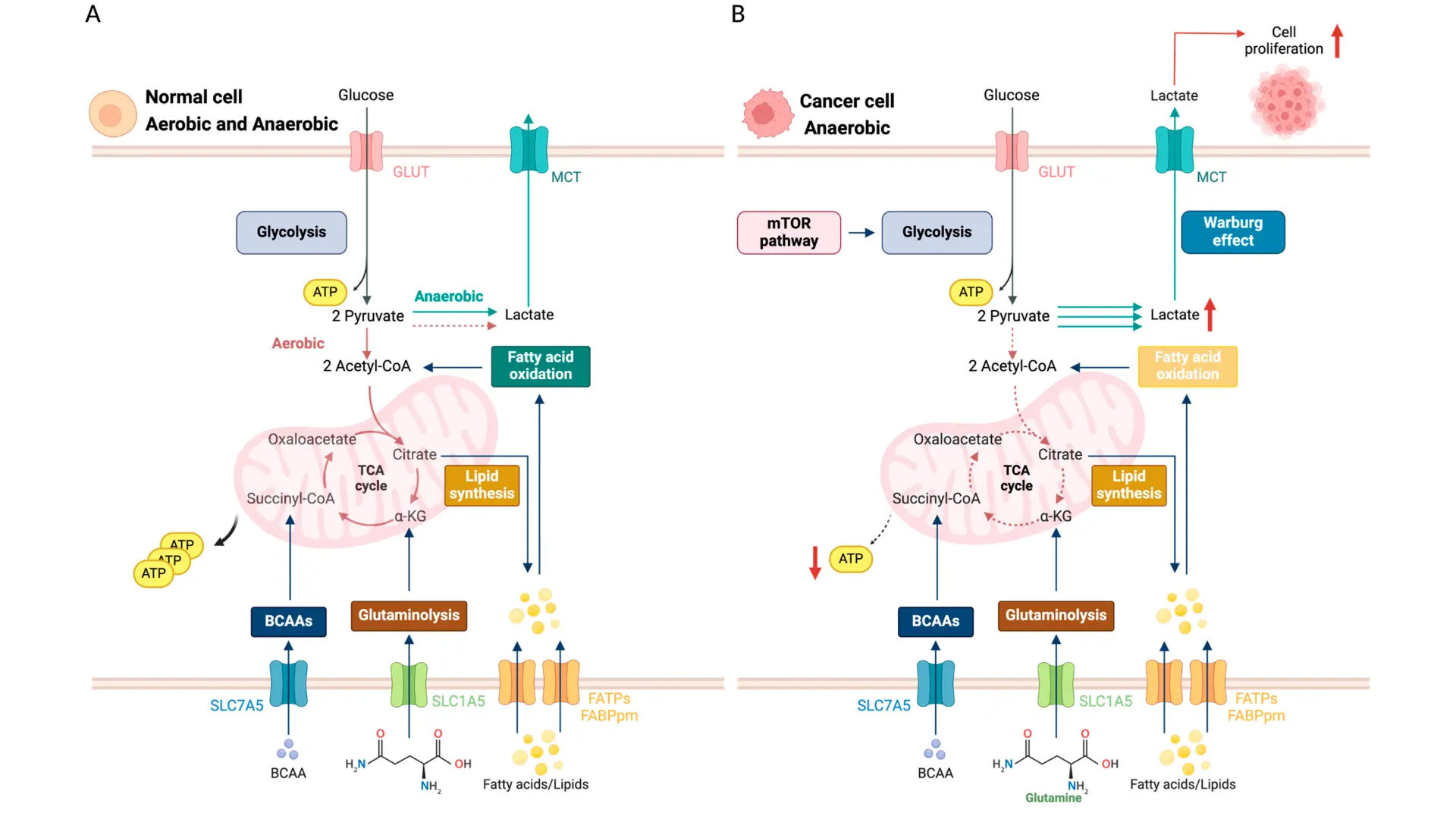
Cancer cells rewire metabolism to support rapid growth, often relying on aerobic glycolysis—the Warburg effect—as well as glutaminolysis and increased fatty-acid synthesis. Oncogenes such as MYC and RAS, and the loss of tumour suppressors, help tumours thrive in nutrient-poor, hypoxic conditions, creating distinct metabolic vulnerabilities.
Therapies targeting glycolysis, glutamine dependence and amino-acid dependence are in development or in clinical use. Examples include IDH1/2 inhibitors in IDH-mutant leukaemias and gliomas, and L-asparaginase in leukaemia. Metabolic strategies are also being studied alongside chemotherapy, targeted therapy and immunotherapy.
Normal cells are more metabolically flexible, so metabolic pressure may be more selective for cancer cells. Combining metabolic therapy with other modalities may also help address treatment resistance driven by tumour adaptation.
Dual Immune Modulation
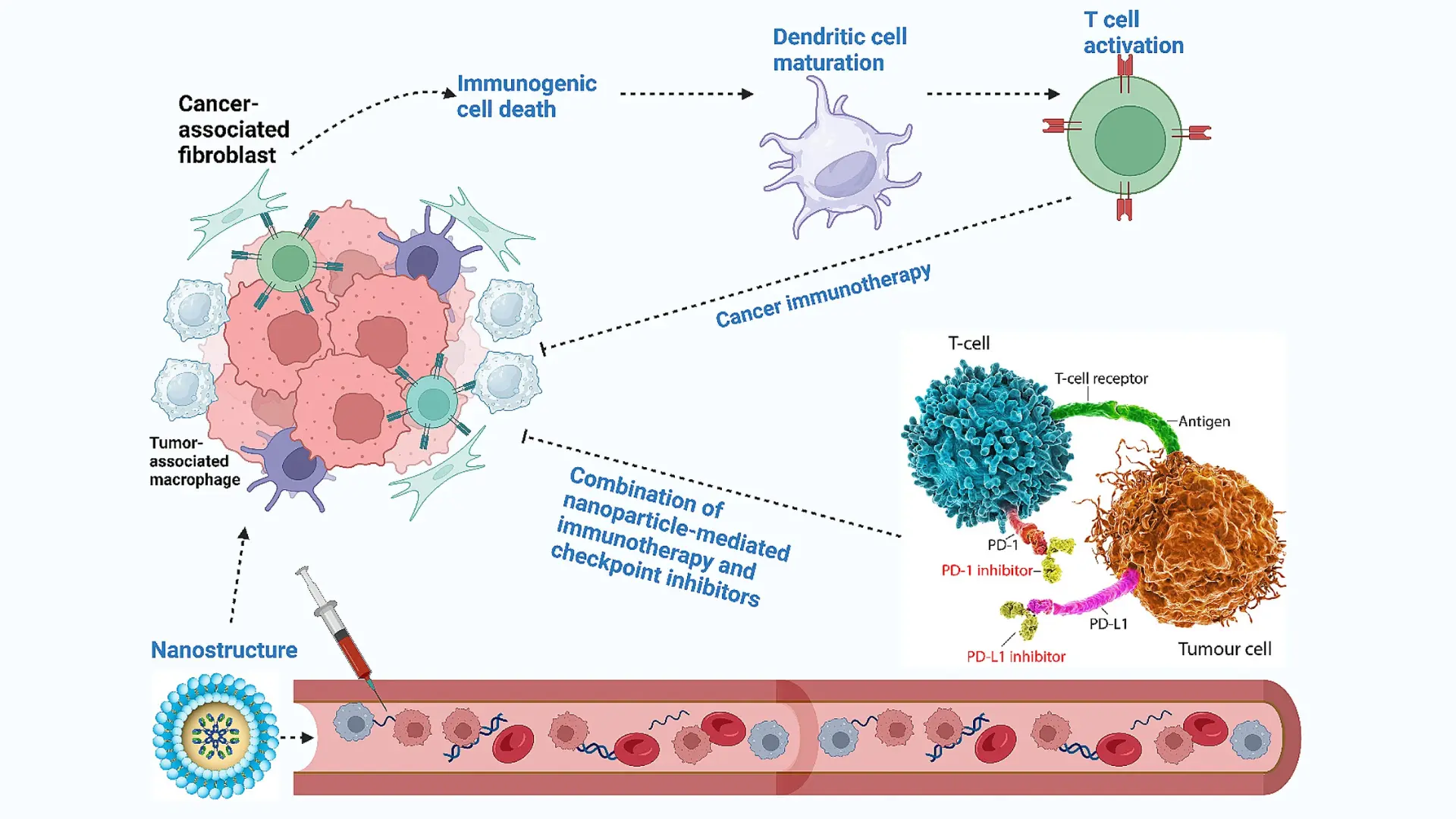
Tumours evade immunity through multiple checkpoints and suppressive signals. Dual immune modulation targets two distinct immunoregulatory pathways at once—for example, blocking PD-1/PD-L1 and CTLA-4 together—to release two brakes on T cells and amplify the anti-tumour response.
Dual checkpoint blockade is already used in melanoma, lung cancer, renal carcinoma and other cancers. Combining a checkpoint inhibitor with an immune-activating agent is another strategy under investigation across solid tumours.
By blocking two immune escape routes at once, tumours have greater difficulty evading the immune system. This approach may produce deeper and more durable responses than single-agent immunotherapy, while requiring careful monitoring for immune-related adverse events.
Smart Nano-Targeting
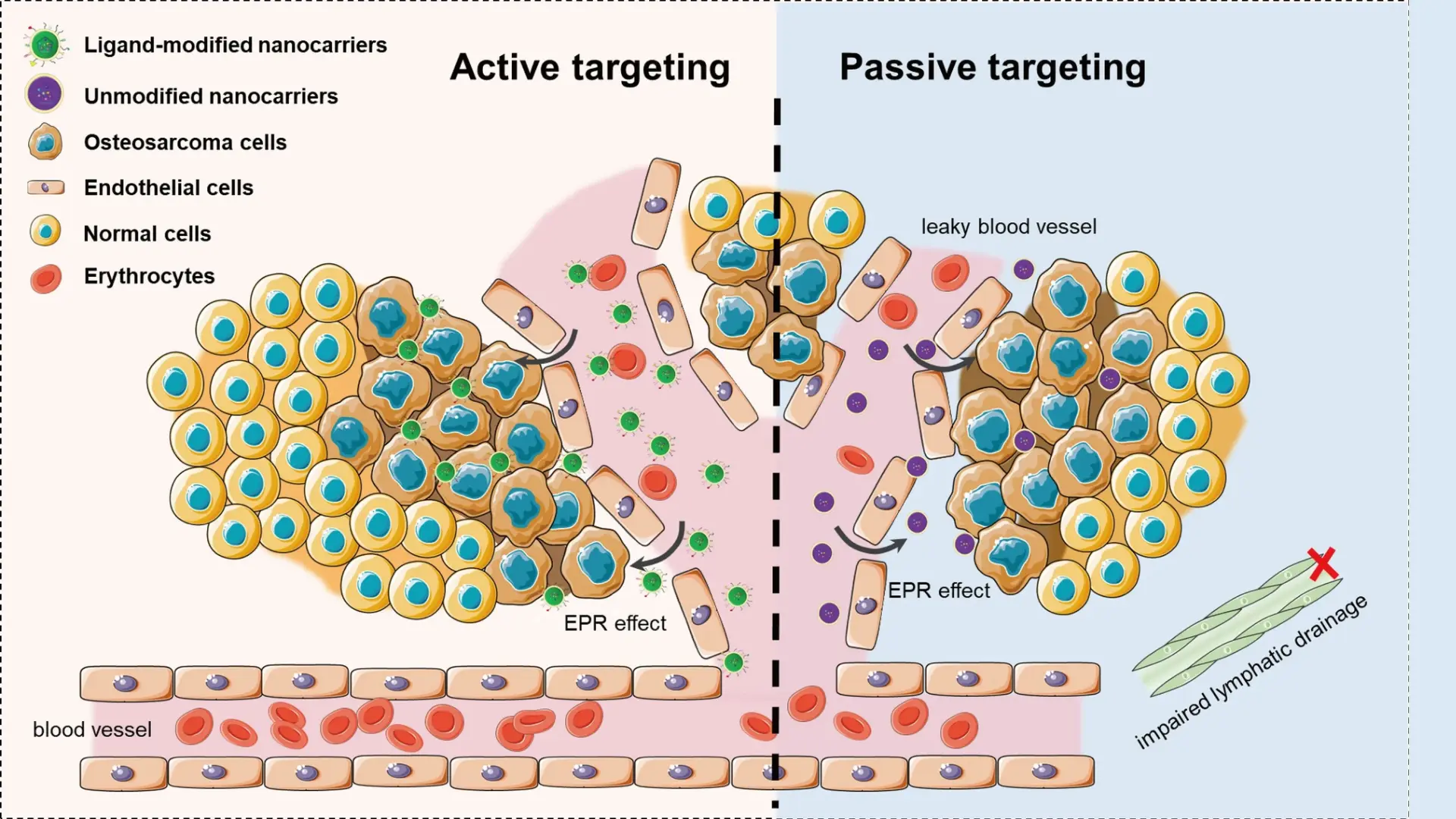
Smart nano-targeting uses nanoparticle-based carriers, typically 10–100 nm in size, to deliver therapeutic agents to cancer cells while sparing normal tissue. Active targeting attaches antibodies, peptides or aptamers that bind receptors overexpressed on tumour cells; passive targeting exploits leaky tumour vasculature.
Nanotechnology-based cancer therapies are already in clinical use. Liposomal chemotherapy, albumin-bound paclitaxel and antibody-drug conjugates all use targeted delivery to improve the therapeutic index. Newer carriers are being designed to release their payload in response to the tumour microenvironment.
Targeted delivery can concentrate treatment at the tumour site, potentially improving efficacy while reducing systemic toxicity. It may also help overcome biological barriers that limit the penetration of conventional drugs.
Tumour Microenvironment Remodelling
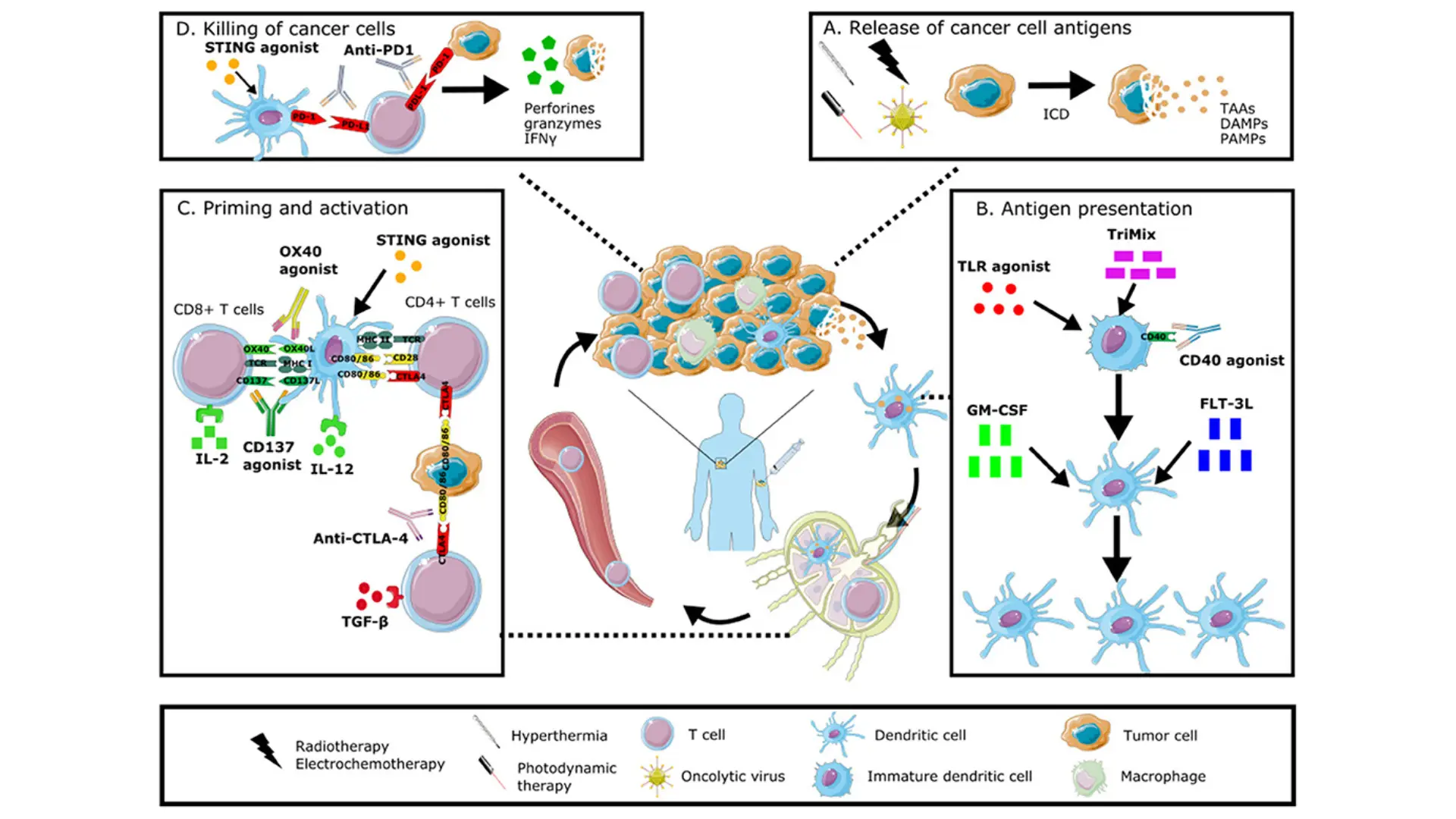
The tumour microenvironment includes blood vessels, immune cells, fibroblasts and the extracellular matrix. Tumours use this environment to suppress immunity and support growth. Remodelling strategies aim to normalise vasculature, reduce immunosuppressive factors and improve the penetration of drugs and immune cells.
Anti-angiogenic therapy, TGF-β inhibition, macrophage depletion and adenosine-pathway blockade are among the approaches being studied. Low-dose metronomic chemotherapy and radiotherapy can also act as microenvironment modulators, turning immunologically “cold” tumours into more responsive ones.
Because non-cancerous cells in the microenvironment are genetically more stable than cancer cells, they are less likely to acquire resistance. Targeting this supportive network can therefore complement chemotherapy, radiotherapy and immunotherapy.
What Medical Services Does AllCancer Provide?
AllCancer, through the Hong Kong Metabolic Oncology Center, offers cancer care centred on its proprietary Targeted Metabolic Therapy (Hong Kong version). The International 4D Therapy integrates metabolic reprogramming, dual immune modulation, smart nano-targeting and tumour microenvironment remodelling, backed by patents in the US, EU, Japan and China. Services include:
Personalised cancer treatment. Tailored plans combine metabolic therapy, targeted drugs, immunotherapy and low-dose metronomic chemotherapy.
Advanced diagnostics. PET-CT, Siemens MRI and molecular profiling help identify metabolic vulnerabilities in tumours.
Multidisciplinary expert consultations. A 120-member team coordinates care across 17 countries, with access to specialists in Hong Kong and partner hospitals.
Comprehensive care. Support spans early screening, treatment and long-term management, including rehabilitation and psychological care.
Clinical trials. Patients may be considered for international multicentre research and advanced oncology care at partner hospitals.
Frequently Asked Questions
What cancers are treated at AllCancer?
AllCancer focuses on solid tumours with metabolic abnormalities, including common cancers such as breast, lung, colorectal, prostate and liver cancer; metastatic and refractory disease; drug-resistant tumours; and other solid tumours such as pancreatic, ovarian and gastric cancer. Suitability is assessed case by case.
How can I make an appointment with the medical team?
Submit the secure appointment form with the patient’s diagnosis, stage, imaging and previous treatment records. A case manager will review the information and contact you to arrange a consultation.
What should I bring to my first appointment?
Please bring recent imaging reports, pathology results, blood tests, a current medication list and a summary of previous treatments. These records help the clinical team assess whether the 4D programme is appropriate.
Ready to Discuss Your Treatment Options?
Share the patient’s medical records through our secure appointment form. A case manager will review the information and contact you.
Treatment suitability and outcomes vary. All treatment decisions are made with a qualified clinician after review of the diagnosis, stage and general health.
On This Page
Book Appointment Now
Tsim Sha Tsui, Hong Kong
+852 8431 8148
enquiry@allcancer.com
Our case managers will review the diagnosis, stage and previous treatment records before arranging a consultation.