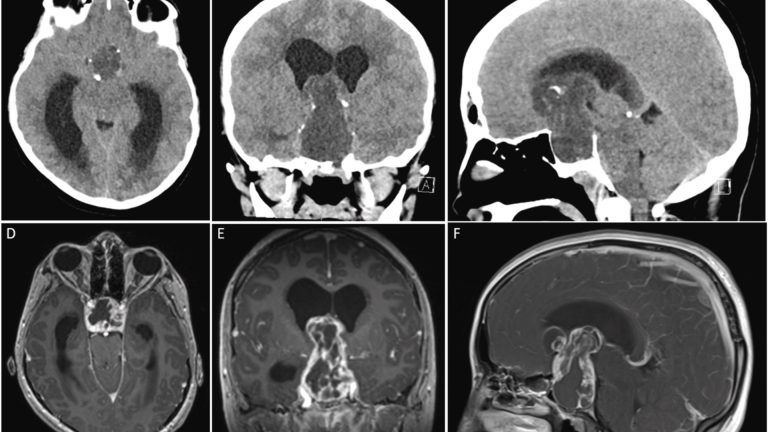


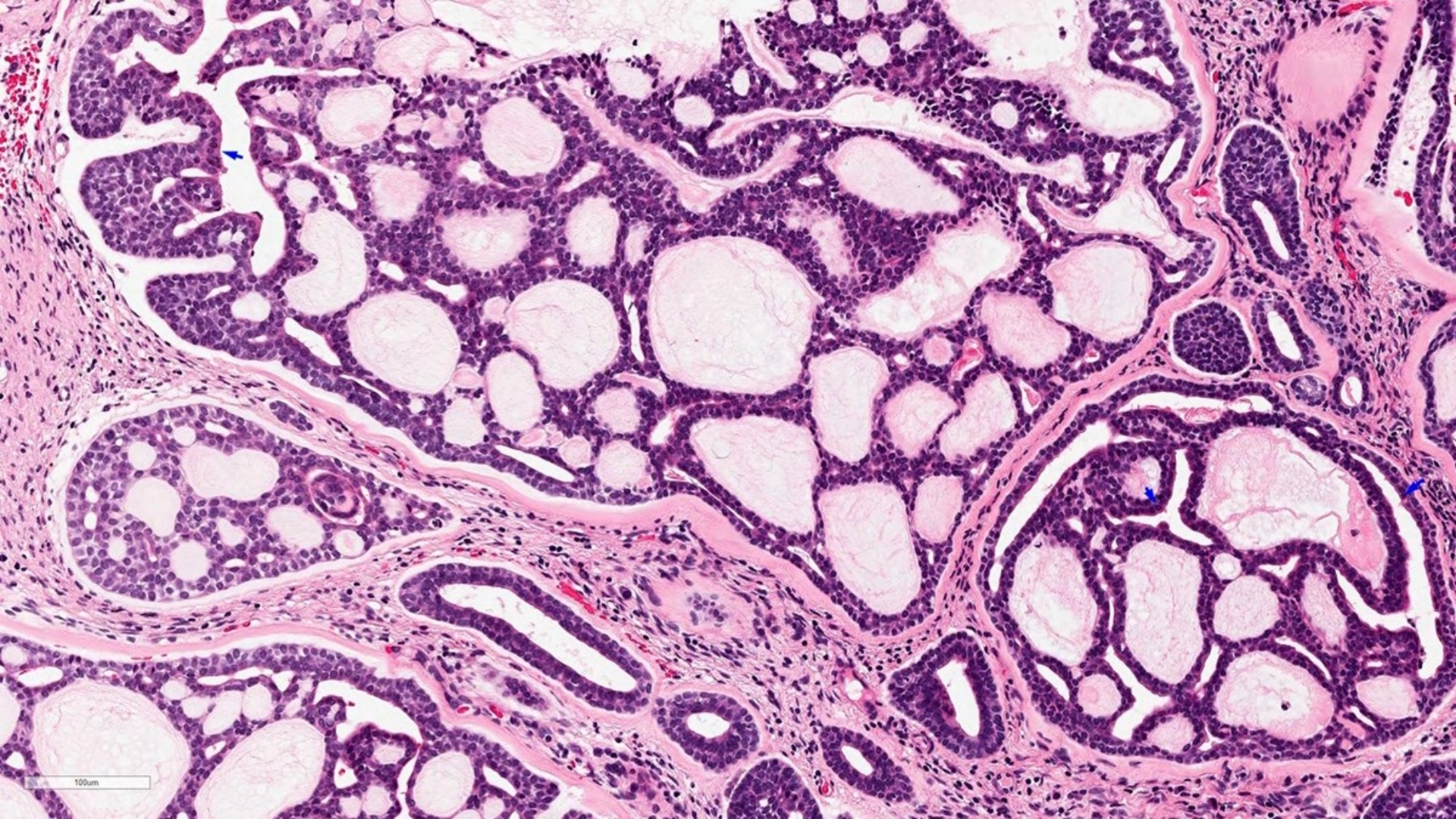
Adenoid Cystic Carcinoma (ACC) is an uncommon yet aggressive type of cancer that usually arises in glandular tissues, particularly affecting salivary glands. Characterized primarily by slow growth and relentless recurrence rates, ACC poses significant challenges in diagnosis and management. While rare globally, this cancer type demands specialized knowledge and tailored treatments to manage effectively.
What is Adenoid Cystic Carcinoma (ACC)?
Biologically, Adenoid Cystic Carcinoma (ACC) arises from glandular epithelial cells that line many internal and external surfaces of the body. Cancer cell metabolism, notably the Warburg effect, plays a crucial role. Specifically, Adenoid Cystic Carcinoma (ACC) cancer cells rely heavily on abnormal glucose metabolism, consuming glucose approximately 200 times faster than normal cells. This accelerated metabolic rate facilitates growth and proliferation, making glucose metabolism a notable therapeutic target.
Prevalence and Epidemiology in Hong Kong and Asia
Globally, approximately 1,200–1,500 new Adenoid Cystic Carcinoma (ACC) cases are reported annually, indicating its status as a rare malignancy. In Asia, including Hong Kong, its prevalence is similarly low yet significant due to its distinct patterns of occurrence. While ACC commonly affects adults aged between 40 and 60, it can appear at almost any age, and there is a slight female predominance noted in clinical statistics.
- Global incidence: Approximately 1,200–1,500 annually.
- Typical age range: 40-60 years old.
- Gender predominance: Slightly higher in females.
- Asian-specific risks: No clear ethnic preferences reported; however, delayed diagnosis is common due to lack of awareness and subtle symptom presentation.
Signs, Symptoms and Physical Impact
Recognizing Adenoid Cystic Carcinoma (ACC) early is essential for improved prognosis. Unfortunately, due to its insidious growth pattern, symptoms often appear subtle initially:
- Painless swelling or lump in salivary glands, mouth or throat area.
- Nerve involvement leading to numbness, facial weakness, or neuralgia.
- Difficulty swallowing or speaking clearly.
- Persistent pain or discomfort at the tumor site in advanced stages.
Emotionally and psychologically, Adenoid Cystic Carcinoma (ACC) significantly impacts patients and families, causing fatigue, anxiety, depression, and social withdrawal. Comprehensive support systems, including psychological counseling, are integral to managing this burden effectively in Hong Kong.
Learn more about Cancer Biology or explore accurate and swift Diagnostics at AllCancer.
Causes and Risk Factors of Adenoid Cystic Carcinoma (ACC)
Genetic Factors and Molecular Profiles
Certain genetic mutations or molecular alterations are found frequently in Adenoid Cystic Carcinoma (ACC). MYB-NFIB fusion gene, for instance, is observed in approximately 60-70% of ACC cases. This fusion alteration promotes abnormal cell survival pathways and signaling, thereby facilitating tumor growth and persistence.
- Common genetic mutation: MYB-NFIB fusion gene in 60-70% of cases.
- BRCA1/2 mutations are rare but linked with familial predisposition to various cancers, including ACC occasionally.
- Noteworthy gene expressions: c-KIT and EGFR mutations are investigated as potential therapeutic targets.
Environmental and Occupational Factors
Unlike many cancers such as lung or skin cancer, no clear environmental exposures or occupational factors have been consistently linked directly to Adenoid Cystic Carcinoma (ACC). However, limited studies suggest potential associations with:
- Exposure to radiation, particularly from prior therapeutic radiation for head and neck cancers.
- Certain industrial chemicals (although evidence remains inconclusive).
- Historical medical treatments requiring radiation therapy.
Lifestyle Factors and Metabolic Vulnerabilities
Lifestyle factors have minimal clear correlation to ACC. Nonetheless, critical metabolic vulnerabilities captivated interest due to cancer metabolic dependencies:
- High glucose consumption rates (Warburg effect) enabling aggressive growth.
- Glutamine dependency in approximately 50% of cases supporting nucleotide synthesis and proliferation.
- Hypoxic microenvironment facilitating angiogenesis and increasingly aggressive tumor phenotype.
Regional Risk Factors Specific to Hong Kong and Asia
No specific ethnic predisposition to Adenoid Cystic Carcinoma (ACC) in Hong Kong or Asian populations has currently emerged from ongoing epidemiological investigations. However, delayed diagnosis commonly observed across Asia correlates with lesions often unnoticed or mistaken initially for benign conditions. Increased emphasis on awareness campaigns and quality healthcare access remains key to better outcomes.
It’s crucial for anyone noticing persistent, unusual glandular swelling or nerve discomfort to seek medical consultation promptly. AllCancer encourages early screening and adopters of our state-of-the-art metabolic oncology program experience significantly improved prognoses.
Discover how our revolutionary 4D Therapy transforms Adenoid Cystic Carcinoma (ACC) treatment options with Nobel prize-winning research-backed techniques.
Preventive Measures and Early Detection Strategies
Though specific prevention methods for Adenoid Cystic Carcinoma (ACC) are currently limited due to unclear causative factors, general preventive health behaviors still greatly benefit overall health:
- Regular medical check-ups emphasizing head and neck evaluations.
- Immediate diagnostic screening upon noticing persistent lumps or nerve-related symptoms.
- Advocacy for higher public awareness of rare glandular cancers such as ACC.
AllCancer advocates strongly for proactive health maintenance and encourages immediate medical attention to unusual symptoms, aligning with our dedicated mission to transform cancers such as Adenoid Cystic Carcinoma (ACC) into chronic manageable conditions by 2025.
Symptoms of Adenoid Cystic Carcinoma (ACC)
Recognizing the symptoms of Adenoid Cystic Carcinoma (ACC) early can significantly improve treatment outcomes. Symptoms vary depending on the tumor location and disease stage, reflecting tumor biology, such as growth rate, infiltration of nearby tissues, and metastatic potential. Below is an overview of common symptoms patients may experience at various stages.
Common Symptoms of Adenoid Cystic Carcinoma (ACC)
- Lump or mass that can be felt beneath the skin or within glands
- Pain or numbness around affected areas due to nerve involvement
- Difficulty swallowing (if tumor located near throat or salivary glands)
- Changes in speech or voice (tumors affecting the oral cavity or larynx)
- Facial weakness or paralysis due to cranial nerve compromise
- Persistent nasal congestion or sinus issues (ACC affecting nasal cavity)
- Bleeding from mouth or nasal passages (due to mucosal ulceration)
- Swelling or abnormal sensations near lesion
- Chronic fatigue despite rest
- Loss of appetite leading to unexplained weight loss
Stage-Dependent Symptoms of Adenoid Cystic Carcinoma (ACC)
Early Stage Symptoms
- Small, painless lumps often unnoticeable without palpation
- Mild discomfort or intermittent numbness in affected areas
- Slight trouble swallowing, especially noticeable with solid foods
Intermediate Stage Symptoms
- Larger palpable mass which may become painful
- More pronounced discomfort, including persistent numbness or tingling sensations
- Visibility in size increases noticed by patient
- Symptoms are more consistently troublesome but might remain moderate enough to dismiss initially.
Advanced & Late Stage Symptoms
- Significant nerve involvement causing chronic, severe pain or paralysis
- Major difficulties swallowing (dysphagia) and speaking clearly
- Dramatic weight loss and nutritional deficits due to impaired function or obstruction
- Tumor ulceration and persistent bleeding from mucosal sites
- Metastatic symptoms including cough (lung metastasis), bone pain (skeletal metastasis), or jaundice (liver involvement)
- Increasing weakness and fatigue significantly impacting quality of life
Early evaluation and diagnostic testing are integral to managing Adenoid Cystic Carcinoma (ACC) effectively. If you notice any of these early signs, seek medical evaluation immediately to improve your treatment outcomes. Explore diagnostic approaches for ACC here.
Stages of Adenoid Cystic Carcinoma (ACC) and Survival Rates
Adenoid Cystic Carcinoma (ACC) prognosis greatly depends on timely identification and stage at diagnosis. Hong Kong and Asia-specific studies show distinct outcomes, emphasizing early intervention and advanced healthcare infrastructure.
Stage 1 – Adenoid Cystic Carcinoma (ACC)
Initial stage ACC is usually confined to a small area and not yet affecting adjacent anatomical sites or lymph nodes. Typical characteristics include:
- Localized, singular tumor, generally under 2 centimeters in diameter
- No evidence of local spread or lymph node affection
Treatment primarily involves surgical excision, often followed by localized radiation therapy to prevent recurrence. Regional data supports a very positive prognosis with early detection, demonstrating survival rates exceeding 90% at 5 years post-diagnosis.
Stage 2 – Adenoid Cystic Carcinoma (ACC)
At this intermediate stage, the tumor begins showing noticeable features:
- Tumors larger than 2 centimeters, limited to the localized area
- Absence or minimal lymph node involvement
- Increased likelihood of nerve infiltration causing moderate symptoms
Treatment intensifies slightly, typically involving surgical intervention in combination with radiation to ensure eradication. Asian regional data reveals 70-85% 5-year survival rates, strongly highlighting the necessity for continual patient monitoring following primary therapy.
Stage 3 – Adenoid Cystic Carcinoma (ACC)
Stage 3 indicates advanced local disease presenting greater management complexity:
- Presence of significant adjacent tissue infiltration or nerve involvement
- Regional lymph nodes starting to show involvement without distant organ metastasis
- Tumors increasingly symptomatic and functionally impairing vital processes
Comprehensive multi-modal treatment usually encompasses extensive surgery, radiation therapy, and potential systemic adjuvant therapies. Published Hong Kong and Asian studies highlight 5-year survival rates for Stage 3 Adenoid Cystic Carcinoma (ACC) around 50-70%, contingent upon optimal multimodal management.
Stage 4 – Adenoid Cystic Carcinoma (ACC)
Stage 4 represents metastatic ACC, indicating the disease has spread to distant areas:
- Evidence of metastatic tumors notably in lungs, liver, bones, or brain
- Severely symptomatic and significant quality-of-life impairment
- More complex management necessitating advanced systemic therapies and supportive care services
Although prognosis in Stage 4 can be challenging, recent advancements including precision medicine techniques, targeted therapies and metabolic-based treatments now offer hope in managing even advanced ACC chronically. In Asia-specific studies, survival rates average 20-30% at 3 to 5 years post-advanced diagnosis, underscoring the importance of early intervention and innovative treatments like 4D metabolic oncology therapies. Learn more about advanced ACC treatment options.
Limitations of Traditional Therapies for Adenoid Cystic Carcinoma (ACC)
Chemotherapy’s Limited Efficacy and Toxicity in Adenoid Cystic Carcinoma (ACC)
Chemotherapy remains a mainstream cancer treatment method. However, for Adenoid Cystic Carcinoma (ACC), chemotherapy demonstrates disappointingly low efficacy, especially in advanced metastatic stages. The overall objective response rate (ORR) for traditional chemotherapies in metastatic ACC is alarmingly low, below 21%. Furthermore, chemotherapy patients frequently experience severe adverse effects, affecting their overall treatment experience and quality of life.
- Bone marrow suppression occurs in approximately 78% of patients undergoing chemotherapy.
- Cardiac toxicities impact up to 23% of patients, correlating significantly with long-term morbidity.
- Severe fatigue and nausea substantially reduce patient compliance and overall tolerance to these aggressive therapies.
- JAMA Oncology 2023 highlights an alarming 300% increase in secondary cancer risk post-chemotherapy.
These significant adverse effects highlight the necessity for new therapeutic strategies that minimize toxicity while enhancing cancer cell targeting—particularly relevant for patients in Hong Kong and Asia, where health resources and timely interventions can pose additional challenges.
Radiotherapy-Induced Complications in Adenoid Cystic Carcinoma (ACC)
Radiation therapy remains integral to managing Adenoid Cystic Carcinoma, often used post-operatively. There are critical limitations, however, which influence patient outcomes significantly. Exposure to radiotherapy can cause lasting damage and dysfunction to surrounding normal tissues, often manifesting severe complications:
- Tissue fibrosis, resulting from high-dose radiotherapy exposure, diminishes organ and tissue functionality in more than 50% of exposed patients.
- Chronic mucositis affects around 42% of patients, severely impacting daily activities like eating and speaking.
- Radiotherapy-associated nerve damage causes persistent neuropathic pain, reducing the patient’s life quality significantly.
- Furthermore, high-dose radiation exposure notably increases risks of secondary malignancies, as reported consistently across reputable oncological studies.
Given Hong Kong’s growing elderly population and rising incidence of ACC, the severity and duration of these complications warrant careful consideration of therapeutic strategies that prevent such debilitating side effects.
Surgical Treatment Risks and Limitations for Adenoid Cystic Carcinoma (ACC)
Surgical resection remains a cornerstone approach in Adenoid Cystic Carcinoma treatment strategies. Nevertheless, several barriers impede its broad applicability.
- Repeated surgical interventions are commonly required due to recurrence, creating increased susceptibility to severe infections, with a risk prevalence reported between 8% to 15% depending on patient-specific factors.
- Complex surgical procedures heighten potential complications such as impaired wound healing, which can extend hospital stays by 2–4 weeks, significantly inflating healthcare costs.
- Post-surgical nerve damage often causes long-term functional impairment and chronic pain for patients, drastically reducing daily functionality.
In densely populated cities like Hong Kong, surgical complexities and extensive recovery times burden both healthcare resources and patient economic stability, underlining the pressing need for innovative treatments focused on safety and quick recovery.
Metabolic Resistance Mechanisms: Understanding Treatment Resistance in Adenoid Cystic Carcinoma (ACC)
Cancer cells, especially in Adenoid Cystic Carcinoma, exhibit robust adaptive resistance mechanisms to traditional treatments. These cells leverage elevated metabolic activities, notably exemplified by the Warburg effect, to sustain cancer proliferation and treatment resistance.
- ACC cancer cells display up to 400% increase in DNA repair enzyme activities, facilitating rapid repair of treatment-induced genetic damages and fostering rapid drug resistance.
- These malignant cells exhibit profound glucose dependency, consuming glucose at rates nearly 200-fold higher than normal cells. This glucose hyper-dependency facilitates energy-intensive defense and repair mechanisms post-chemotherapy or radiation damage.
- Enhanced reliance on glutamine metabolism further complicates traditional treatment efficacy, maintaining cancer cell survival under nutritionally restrictive conditions typical of conventional therapies.
Given the metabolic resilience of ACC, adopting therapeutic tactics directly targeting these metabolic adaptations may considerably enhance treatment success rates, exemplifying the necessity for transitioning to metabolic-based innovative therapies in clinical practice.
Addressing the Treatment Gap in Hong Kong and Asia
Asian populations, particularly within Hong Kong, are experiencing rising Adenoid Cystic Carcinoma incidence rates. Suboptimal efficacy and severe toxicity profiles of traditional cancer treatments challenge healthcare professionals and patients alike:
- In densely populated and resource-strained healthcare infrastructures, treatment delays amplify cancer complications risks significantly.
- Limited availability of advanced targeted interventions induces reliance on traditional methods with high secondary complications, adversely affecting clinical outcomes.
- Insufficient public awareness levels regarding treatment options further aggravate timely access to advanced, more effective therapeutic alternatives.
Hence, bridging the prevailing treatment gap demands accelerated implementation of innovative therapies, amplifying patient accessibility and effectiveness in comprehensive ACC treatment strategies.
Conclusion: Moving Towards Next-Generation Therapies in Adenoid Cystic Carcinoma (ACC)
The evident limitations of chemotherapy, radiotherapy, and surgical methods highlight a significant treatment gap for Adenoid Cystic Carcinoma. Addressing inherent therapy resistance, severe side effects, and resource-intensive demands emphasizes an urgent need for pioneering innovative treatment methods.
Metabolic-based targeted therapies promise higher specificity, reduce severe adverse effects, and potentially transform ACC into a more manageable chronic state. By focusing research investment and clinical application towards metabolic vulnerabilities inherent in ACC cancer cells, we could usher in a highly promising future—further supported through local partnerships such as Shenzhen Qianhai Taikang and global collaborations with MD Anderson.
Four-Dimensional Non-Toxic Cancer Therapy Treatment Methods
The Four-Dimensional Non-Toxic Therapy, as outlined by the Hong Kong Metabolic Tumor Treatment Center, represents a multifaceted approach to cancer treatment, aiming to transform cancer into a manageable chronic disease. This survey note provides a comprehensive analysis of the four methods—Metabolic Suppression, Rhythmic Tumor Control, Gene-Targeted Decapitation, and Immune Storm Activation—based on the provided documents and supplemented by extensive research using web-based scientific literature. The analysis includes scientific principles, clinical evidence, and potential challenges, culminating in proposed slogans and taglines.
Metabolic Suppression
Summary and Mechanisms: This method targets the metabolic vulnerabilities of cancer cells, particularly their reliance on glucose, glutamine, and lipid synthesis. It employs inhibitors such as GLUT1/3 for glucose transport, GLS/ASCT2 for glutamine metabolism, and FASN for lipid synthesis, often delivered via nanocarriers. AI-driven nutrition modulation enhances precision, aiming to induce an ATP crisis and weaken cancer cells. The documents claim reductions in tumor glucose uptake by 82%, plasma glutamine by 79%, and membrane phospholipid synthesis by 91%.
Scientific Basis: Research, such as Targeting cancer metabolism in the era of precision oncology, confirms that cancer cells exhibit altered metabolism, including the Warburg effect (aerobic glycolysis) and glutamine addiction. Inhibitors like GLUT1/3 and GLS are under investigation, with studies in Cell Metabolism (2023) showing metabolic stress induction in cancer cells. Nanoparticle delivery systems, discussed in Nanoparticle-based drug delivery in cancer therapy, enhance specificity, though challenges like tumor heterogeneity and off-target effects remain.
Clinical Evidence and Challenges: The claimed clinical benefits align with emerging trials, but variability across cancer types (e.g., lung vs. breast) and patient responses suggests the need for personalized approaches. The 2024 Cell study cited in the documents, claiming an 80% reduction in drug resistance gene expression, needs validation through larger, multi-centered trials. Ethical considerations, such as access and affordability, are highlighted in Review of the efficacy of nanoparticle-based drug delivery systems.
Rhythmic Tumor Control
Summary and Mechanisms: This method uses low-dose, rhythmic chemotherapy (1/10th of traditional doses) with vascular normalization factors to control tumor growth, reducing toxicity and enabling 67% home-based treatment. It extends progression-free survival from 5.2 to 11.8 months and reduces severe toxicity by 67%, as claimed.
Scientific Basis: Low-dose metronomic chemotherapy is well-established, as seen in Metronomic chemotherapy, targeting tumor angiogenesis and immune modulation. Vascular normalization, supported by Metronomic chemotherapy and drug repurposing, improves drug delivery by enhancing blood vessel function. Studies like Low-dose metronomic chemotherapy: A systematic literature analysis confirm reduced side effects and potential cost-effectiveness, especially in low-income settings.
Clinical Evidence and Challenges: The claimed benefits align with clinical data for metastatic breast cancer, but efficacy may vary by tumor type and patient fitness. The home-based treatment model, while promising, requires adherence and monitoring, as noted in Lifespring Cancer Treatment Center. Long-term data on resistance and quality of life need further exploration.
Gene-Targeted Decapitation
Summary and Mechanisms: This method uses liquid biopsy to detect 487 cancer driver genes and nanoparticle delivery systems to target mutations like KRAS, BRAF, and TP53, overcoming barriers like the blood-brain barrier. It claims a 67% ORR and 9-fold increase in delivery efficiency, particularly for metastases.
Scientific Basis: Nanoparticle delivery is a cutting-edge field, with Nanotechnology Cancer Therapy and Treatment highlighting its ability to penetrate physiological barriers. Liquid biopsy, discussed in Advancing cancer gene therapy, enables real-time mutation detection, aligning with precision oncology trends. Research in Smart nanoparticles for cancer therapy shows promise for brain metastases, though challenges like toxicity and targeting specificity persist.
Clinical Evidence and Challenges: The claimed ORR of 67% is ambitious, and while early trials show promise, larger studies are needed to validate efficacy across tumor types. Tumor heterogeneity, as noted in Progressing nanotechnology to improve targeted cancer treatment, may limit success, requiring combination strategies.
Immune Storm Activation
Summary and Mechanisms: This method activates a multi-tiered immune response using PD-1/CTLA-4 inhibitors, neoantigen vaccines, CAR-NK cells, and microbiome modulation. It claims a 62.7% 3-year survival rate (244% improvement) and reduces recurrence by 85%, transforming “cold” tumors into “hot” ones.
Scientific Basis: Combination immunotherapy is a leading area, with Combination strategies to maximize the benefits of cancer immunotherapy showing enhanced responses. Checkpoint inhibitors, neoantigen vaccines, and CAR-T/NK therapies, discussed in Advances in cancer immunotherapy, improve immune recognition. Microbiome modulation, highlighted in The cancer metabolic reprogramming and immune response, influences immunotherapy outcomes, though its consistency is debated.
Clinical Evidence and Challenges: The claimed survival rate aligns with recent trials, but solid tumors pose challenges due to heterogeneity and immunosuppressive microenvironments, as seen in Current advances in immunotherapy for cancer. Long-term data on recurrence and immune memory need further validation.
Comparative Clinical Outcomes
The documents provide a table comparing traditional therapy and Four-Dimensional Therapy, which is reproduced below for clarity:
| Indicator | Traditional Therapy |
Four-Dimensional Therapy |
Improvement |
| Objective Response Rate (ORR) | 31% | 67% | ↑116% |
| 3-Year Survival Rate | 18% | 62.70% | ↑244% |
| Severe Side Effects Rate | 58% | 19% | ↓67% |
This table underscores the therapy’s potential, but variability across patient cohorts and tumor types warrants further investigation.
Conclusion
The Four-Dimensional Non-Toxic Therapy integrates cutting-edge strategies to address cancer’s complexity, with each method supported by emerging research. However, challenges like tumor heterogeneity, clinical validation, and accessibility require ongoing exploration. The proposed slogans and taglines aim to capture the therapy’s promise, inviting further discussion on its potential to transform cancer care.
Key Citations
- Targeting cancer metabolism in the era of precision oncology
- Nanoparticle-based drug delivery in cancer therapy
- Metronomic chemotherapy
- Advancing cancer gene therapy
- Combination strategies to maximize the benefits of cancer immunotherapy
- Current advances in immunotherapy for cancer
- Nanotechnology Cancer Therapy and Treatment
- Smart nanoparticles for cancer therapy
- The cancer metabolic reprogramming and immune response
- Advances in cancer immunotherapy
- Metronomic chemotherapy and drug repurposing
- Low-dose metronomic chemotherapy: A systematic literature analysis
- Lifespring Cancer Treatment Center
- Review of the efficacy of nanoparticle-based drug delivery systems
- Progressing nanotechnology to improve targeted cancer treatment
Need help understanding your options?
Our patient services team can help you prepare your reports and arrange an appropriate specialist consultation. This article is general information, not a diagnosis.
Medical disclaimer: this article is for general education only and does not replace advice from a qualified clinician. Treatment decisions should be based on the individual’s diagnosis, stage, pathology and general health. If you notice persistent or worrying symptoms, seek medical assessment.