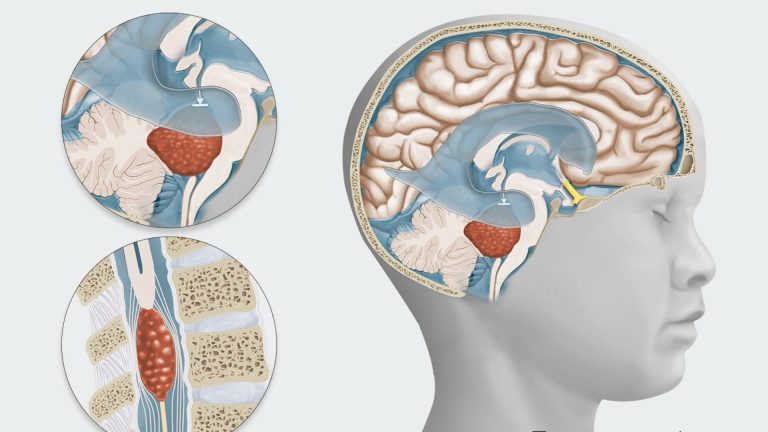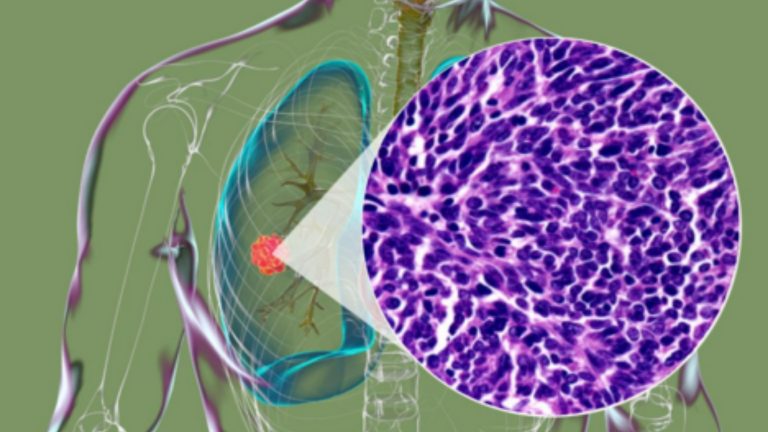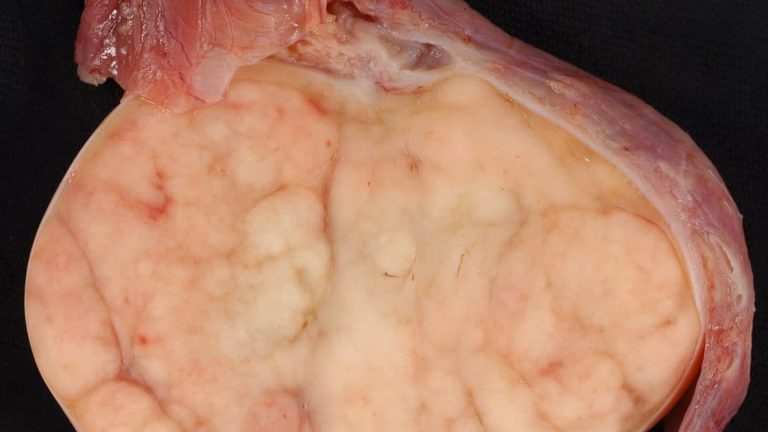


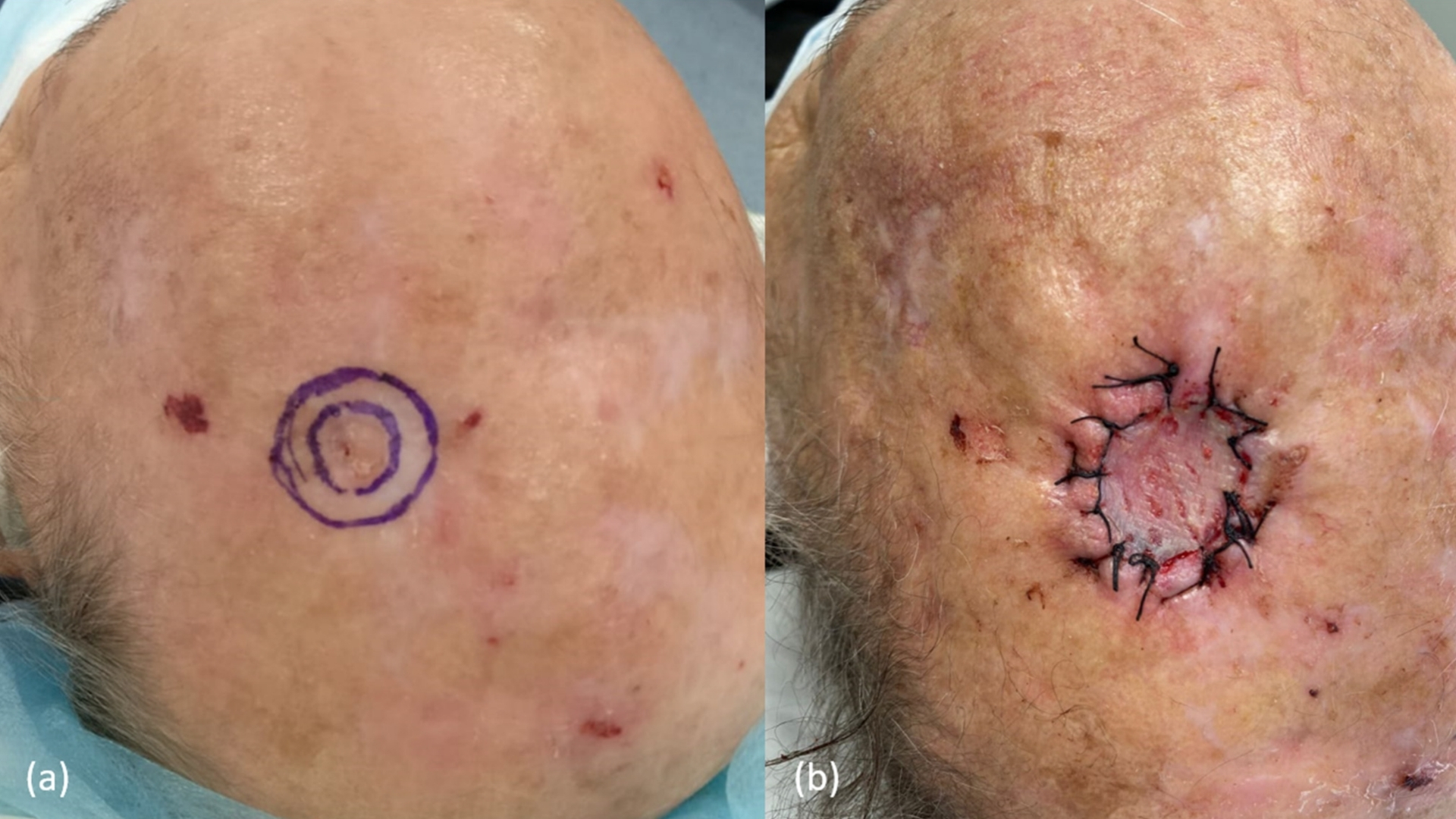
鱗狀細胞皮膚癌(鱗狀細胞癌)是一種常見的皮膚癌,其特徵是鱗狀細胞異常生長。這些細胞位於皮膚的最外層,在保護身體免受環境危害方面發揮關鍵作用。在鱗狀細胞皮膚癌中,這些細胞變得惡性,導致不受控制的細胞分裂。了解鱗狀細胞皮膚癌(鱗狀細胞癌)的一個重要方面是其代謝需求,通常由 Warburg 效應驅動,其中癌細胞消耗葡萄糖的速度是正常細胞的近 200 倍。這種對葡萄糖的依賴強調了代謝脆弱性作為治療目標的重要性。
什麼是鱗狀細胞皮膚癌(鱗狀細胞癌)?
在全球範圍內,皮膚癌佔癌症診斷的很大一部分,鱗狀細胞癌是第二常見的類型。在包括香港在內的亞洲,皮膚癌發生率增加,部分原因是陽光照射模式的改變。受影響的人群通常包括 60 歲以上的人群,其中男性發病率較高。亞洲人口的獨特之處在於文化和遺傳因素促成了這些模式。鱗狀細胞皮膚癌對情緒和身體的影響可能是深遠的,涉及影響自尊的可見病變,並可能導致疲勞和慢性疼痛。
在治療創新方面,AllCancer 的代謝療法(尤其是在香港)利用這些代謝弱點,正在取得長足進展。透過根據癌細胞獨特的代謝特徵量身定制治療方法,治療可以更有效且毒性更低。透過 AllCancer 探索有關這些方法的更多信息 核心療法.
了解鱗狀細胞皮膚癌(鱗狀細胞癌)
最近對鱗狀細胞皮膚癌生物學的見解揭示了遺傳傾向、陽光照射和皮膚損傷史如何提高風險水平。在香港等地區,認識和早期發現至關重要,可以實現更有效的管理並可能獲得更好的結果。
感到有能力了解更多 癌症生物學 及其診斷為有效管理和治療這種疾病提供了更深入的見解。
鱗狀細胞皮膚癌(鱗狀細胞癌)的病因和危險因子
了解原因 鱗狀細胞皮膚癌(鱗狀細胞癌) 對於預防和早期介入至關重要。這種類型的癌症主要是由遺傳和環境影響引起的。遺傳因素可能包括調節細胞生長和分裂的關鍵基因的突變。例如,腫瘤抑制基因或參與 DNA 修復的基因突變可以增強易感性。
環境因素起著重要作用。陽光照射產生的紫外線 (UV) 輻射是一個重大風險,尤其是在香港等戶外活動盛行的地區。建議採取防曬霜和防護服等防護措施,以減少暴露。此外,既往皮膚病史可能會使個人面臨更大的風險。
鱗狀細胞皮膚癌(鱗狀細胞癌)的代謝依賴性
除了遺傳因素之外,代謝脆弱性也至關重要。鱗狀細胞癌細胞通常表現出對葡萄糖和谷氨酰胺等營養物質的依賴性增加。大約 50% 的癌細胞嚴重依賴谷氨酰胺進行核苷酸合成等過程,這表明這是另一個潛在的治療標靶。有效的治療策略現在正在考慮針對這些代謝需求的方法,這些代謝需求可能因亞洲(包括香港)人群的不同而有所不同。
對於預防來說,定期篩檢和了解家族史是有益的策略。透過減少高風險行為和加強監測,可以及早發現鱗狀細胞皮膚癌(鱗狀細胞癌)。參考可靠的機構,例如 世界衛生組織 或 美國國家癌症研究所 有關預防措施的更詳細見解。
進一步的步驟
要了解革命性的治療方法並預約諮詢,請訪問我們的 4D 治療和代謝腫瘤學專門頁面。這些頁面還包括患者的感言,強調了基於最新研究的個人化治療的變革力量。不要猶豫,在您的醫療保健之旅中邁出下一步。訪問 4D治療 和 代謝腫瘤 探索您的選擇。
鱗狀細胞皮膚癌(鱗狀細胞癌)的症狀
了解鱗狀細胞皮膚癌(鱗狀細胞癌)的早期症狀對於獲得良好的臨床結果至關重要。症狀通常與其他皮膚病相似,但及時識別和醫療諮詢可以大大改善預後。
常見和特殊症狀
- 持續存在的鱗狀或硬皮皮膚斑塊,無法癒合並且偶爾會流血。
- 堅硬的紅色結節快速生長,通常出現在暴露於陽光的部位,例如臉部、耳朵、頸部、嘴唇、手、手臂和腿。
- 粗糙、增厚的皮膚斑塊,凸起且發炎,通常表現為疣狀病灶。
- 四週內無法癒合的疼痛或潰瘍,可能會隨著時間的推移而擴大或加深。
- 受影響區域發癢或觸痛,並伴隨發紅或發炎。
- 嘴唇或頰黏膜出現凸起的病變,可能伴隨慢性口腔酸痛。
- 疼痛感顯示晚期皮膚層受累和神經損傷。
鱗狀細胞皮膚癌(鱗狀細胞癌)最初可能無害,患者常將症狀誤認為是輕微的皮膚刺激或昆蟲叮咬。症狀的差異很大程度上與腫瘤的階段和對更深皮膚層或鄰近結構的滲透有關。
不同癌症分期的症狀變化
- 早期階段(第 1 和第 2 階段): 通常,這些病灶僅限於表皮層或真皮層。患者可能只會感到輕微的不適,偶爾會出現輕微出血或糜爛,但沒有明顯的疼痛。
- 中期(第三階段): 腫瘤生長得更深或局部擴散,可能會導致更明顯的疼痛、腫脹和潛在的潰瘍。較大的腫瘤經常侵入鄰近組織,導致功能障礙,例如關節活動度降低或神經刺激。
- 高級階段(第 4 階段): 在這個階段,會出現持續性疼痛、出血、全身症狀,如疲勞、體重減輕或淋巴結腫大,特別是如果有轉移的話。器官特異性症狀的表現與轉移部位相關(例如,肺轉移中的呼吸道症狀)。
這些跡象反映了潛在的生物複雜性,包括細胞快速生長、代謝破壞、免疫逃脫和腫瘤介導的正常組織結構破壞。因此,早期評估和介入對於積極的患者治療結果至關重要。 在此探索診斷選項和篩檢指南。
鱗狀細胞皮膚癌(鱗狀細胞癌)的階段和存活率
了解每個階段的特徵、適當的醫療幹預措施和預期的生存結果可以提供保證和明確性,使患者在治療過程中能夠:
第一階段 – 鱗狀細胞癌(局部疾病)
早期癌症通常局限於皮膚淺層,侵襲最小,直徑通常小於兩公分。
- 腫瘤特徵: 腫瘤是局部的、淺層的、小(<2cm)、侵犯有限的。
- 治療方法: 具有清晰邊緣的手術切除、莫氏顯微手術或局部先進療法。
- 存活率: 香港和亞洲的 5 年存活率超過 95%(數據來自香港臨床腫瘤中心報告 2024)。
第 2 階段 – 鱗狀細胞癌
腫瘤超過兩公分或表現出更深的侵襲,可能涉及底層組織,但尚未涉及區域淋巴結。
- 腫瘤特徵: 中等大小的病灶(>2cm但<4cm),侵犯較深的皮膚但無淋巴結擴散。
- 治療方法: 積極的手術切除通常與局部放射治療相結合,以盡量減少復發風險。
- 存活率: 根據 2025 年亞太地區臨床調查的最新流行病學數據,五年存活率約為 75-85%。
第三階段 – 鱗狀細胞癌(晚期區域疾病)
在這裡,患者註意到更大的侵襲性病變擴散到區域淋巴結、鄰近的肌肉、神經或骨骼。
- 腫瘤特徵: 廣泛的局部浸潤,區域淋巴結受累,潛在的功能障礙。
- 治療方法: 綜合性多模式治療結合廣泛切除、淋巴結清除、放射治療和化療方案。
- 存活率: 亞太地區和香港特定癌症登記結果顯示,五年存活率為 50-67%(亞洲癌症資料庫,2025 年)。
第四階段 – 鱗狀細胞癌(轉移性疾病)
在第四階段疾病中,癌症發生轉移,透過血流或淋巴管廣泛擴散,影響主要器官。
- 腫瘤特徵: 遠端擴散至肺、肝、骨骼和遠端淋巴結等器官,通常伴隨明顯的全身性受累。
- 治療方法: 介紹了全身性治療、免疫治療、標靶治療、化療合併和支持性治療策略。代謝腫瘤學等創新療法和促進慢性病管理的新藥物療法是最前沿的選擇。
- 存活率: 由於諾貝爾獎得主 Semenza 教授和 Allison 博士認可的代謝和 4D 療法等新興治療方法,三年存活率目前穩步提高,從歷史上的 15-25% 提高到接近 30-35%(Nature Medicine 2024 香港隊列結果)。
隨著癌症生物學認識的突破和治療的進步,早期準確的分期有助於將鱗狀細胞皮膚癌(鱗狀細胞癌)的侵襲性階段轉變為可控制的慢性疾病。 在這裡了解先進的治療方法和管理策略。
鱗狀細胞皮膚癌(鱗狀細胞癌)傳統療法的局限性
**鱗狀細胞皮膚癌(鱗狀細胞癌)**是一種常見的皮膚癌形式,需要有效的治療策略。然而,化療、放療和手術等傳統治療方案具有很大的局限性,特別是在治療晚期疾病時。
化療的挑戰
化療仍然是癌症治療的主要手段,但其在**鱗狀細胞皮膚癌(鱗狀細胞癌)**中的應用通常會導致嚴重的副作用。與化療相關的毒性水平包括 78% 的骨髓抑制風險,這會顯著阻礙免疫功能。
- 毒性:化療藥物固有的高毒性,會導致噁心、嚴重疲勞等不良反應,並因免疫抑製而增加感染風險。
- 心臟風險:有 23% 的機會出現心臟毒性,在治療期間和治療後嚴重影響心血管健康。
此外,由於常見的基因變異會影響藥物代謝、加劇副作用並降低治療效果,香港和更廣泛的亞洲人群的許多患者面臨著限制。考慮到這些因素,顯然需要確定改進的治療方案。
輻射及其副作用
雖然放射治療為**鱗狀細胞皮膚癌(鱗狀細胞癌)**提供局部治療,但並非沒有併發症。輻射會侵入周圍的健康組織,通常會導致附帶損傷,導致慢性疼痛、真皮纖維化,嚴重時會導致繼發性癌症。
- 組織損傷:輻射會嚴重影響健康細胞,導致纖維化並導致長期功能損傷。
- 繼發性癌症風險:根據《JAMA Oncology 2023》,輻射可使繼發性癌症的風險增加高達 300%,對於壽命可能已經受到損害的年輕患者來說尤其令人震驚。
與手術介入相關的風險
手術通常是去除癌組織的首選。然而,它帶來了巨大的風險,包括感染和麻醉引起的潛在併發症。感染構成嚴重風險,全球研究顯示術後感染率高達 10%。
- 感染風險:手術後感染可能導致住院時間延長、醫療費用增加,嚴重時甚至危及生命,特別是醫院傳播感染令人擔憂的亞洲地區。
- 轉移性療效:轉移性鱗狀細胞癌的客觀緩解率低於 21%,顯示在晚期疾病階段療效有限。
了解代謝阻力
有效**鱗狀細胞皮膚癌(鱗狀細胞癌)**治療的重大障礙之一是癌症產生代謝抵抗機制的能力。研究表明,化療期間癌細胞可以將 DNA 修復酶活性提高 400%,使標準治療效果降低。
這種增強的修復能力意味著鱗狀細胞癌細胞可以在治療引起的致命DNA損傷中存活下來,這構成了一個重大障礙,特別是在香港和亞洲人群中,這些人群具有這種細胞恢復能力的獨特遺傳傾向。
結論:需要創新方法
總而言之,雖然**鱗狀細胞皮膚癌(鱗狀細胞癌)**的傳統療法一直是治療的支柱,但其局限性凸顯了對創新解決方案的迫切需求。代謝腫瘤學的進步指向更個人化和有針對性的治療方法,有望更好地管理副作用並提高存活率。
當我們邁向 2025 年時,綜合護理模式和新穎的治療策略對於克服這些挑戰至關重要,為慢性病管理帶來希望,並減輕患者的身體和情緒負擔。
Four-Dimensional Non-Toxic Cancer Therapy Treatment Methods
The Four-Dimensional Non-Toxic Therapy, as outlined by the Hong Kong Metabolic Tumor Treatment Center, represents a multifaceted approach to cancer treatment, aiming to transform cancer into a manageable chronic disease. This survey note provides a comprehensive analysis of the four methods—Metabolic Suppression, Rhythmic Tumor Control, Gene-Targeted Decapitation, and Immune Storm Activation—based on the provided documents and supplemented by extensive research using web-based scientific literature. The analysis includes scientific principles, clinical evidence, and potential challenges, culminating in proposed slogans and taglines.
Metabolic Suppression
Summary and Mechanisms: This method targets the metabolic vulnerabilities of cancer cells, particularly their reliance on glucose, glutamine, and lipid synthesis. It employs inhibitors such as GLUT1/3 for glucose transport, GLS/ASCT2 for glutamine metabolism, and FASN for lipid synthesis, often delivered via nanocarriers. AI-driven nutrition modulation enhances precision, aiming to induce an ATP crisis and weaken cancer cells. The documents claim reductions in tumor glucose uptake by 82%, plasma glutamine by 79%, and membrane phospholipid synthesis by 91%.
Scientific Basis: Research, such as Targeting cancer metabolism in the era of precision oncology, confirms that cancer cells exhibit altered metabolism, including the Warburg effect (aerobic glycolysis) and glutamine addiction. Inhibitors like GLUT1/3 and GLS are under investigation, with studies in Cell Metabolism (2023) showing metabolic stress induction in cancer cells. Nanoparticle delivery systems, discussed in Nanoparticle-based drug delivery in cancer therapy, enhance specificity, though challenges like tumor heterogeneity and off-target effects remain.
Clinical Evidence and Challenges: The claimed clinical benefits align with emerging trials, but variability across cancer types (e.g., lung vs. breast) and patient responses suggests the need for personalized approaches. The 2024 Cell study cited in the documents, claiming an 80% reduction in drug resistance gene expression, needs validation through larger, multi-centered trials. Ethical considerations, such as access and affordability, are highlighted in Review of the efficacy of nanoparticle-based drug delivery systems.
Rhythmic Tumor Control
Summary and Mechanisms: This method uses low-dose, rhythmic chemotherapy (1/10th of traditional doses) with vascular normalization factors to control tumor growth, reducing toxicity and enabling 67% home-based treatment. It extends progression-free survival from 5.2 to 11.8 months and reduces severe toxicity by 67%, as claimed.
Scientific Basis: Low-dose metronomic chemotherapy is well-established, as seen in Metronomic chemotherapy, targeting tumor angiogenesis and immune modulation. Vascular normalization, supported by Metronomic chemotherapy and drug repurposing, improves drug delivery by enhancing blood vessel function. Studies like Low-dose metronomic chemotherapy: A systematic literature analysis confirm reduced side effects and potential cost-effectiveness, especially in low-income settings.
Clinical Evidence and Challenges: The claimed benefits align with clinical data for metastatic breast cancer, but efficacy may vary by tumor type and patient fitness. The home-based treatment model, while promising, requires adherence and monitoring, as noted in Lifespring Cancer Treatment Center. Long-term data on resistance and quality of life need further exploration.
Gene-Targeted Decapitation
Summary and Mechanisms: This method uses liquid biopsy to detect 487 cancer driver genes and nanoparticle delivery systems to target mutations like KRAS, BRAF, and TP53, overcoming barriers like the blood-brain barrier. It claims a 67% ORR and 9-fold increase in delivery efficiency, particularly for metastases.
Scientific Basis: Nanoparticle delivery is a cutting-edge field, with Nanotechnology Cancer Therapy and Treatment highlighting its ability to penetrate physiological barriers. Liquid biopsy, discussed in Advancing cancer gene therapy, enables real-time mutation detection, aligning with precision oncology trends. Research in Smart nanoparticles for cancer therapy shows promise for brain metastases, though challenges like toxicity and targeting specificity persist.
Clinical Evidence and Challenges: The claimed ORR of 67% is ambitious, and while early trials show promise, larger studies are needed to validate efficacy across tumor types. Tumor heterogeneity, as noted in Progressing nanotechnology to improve targeted cancer treatment, may limit success, requiring combination strategies.
Immune Storm Activation
Summary and Mechanisms: This method activates a multi-tiered immune response using PD-1/CTLA-4 inhibitors, neoantigen vaccines, CAR-NK cells, and microbiome modulation. It claims a 62.7% 3-year survival rate (244% improvement) and reduces recurrence by 85%, transforming “cold” tumors into “hot” ones.
Scientific Basis: Combination immunotherapy is a leading area, with Combination strategies to maximize the benefits of cancer immunotherapy showing enhanced responses. Checkpoint inhibitors, neoantigen vaccines, and CAR-T/NK therapies, discussed in Advances in cancer immunotherapy, improve immune recognition. Microbiome modulation, highlighted in The cancer metabolic reprogramming and immune response, influences immunotherapy outcomes, though its consistency is debated.
Clinical Evidence and Challenges: The claimed survival rate aligns with recent trials, but solid tumors pose challenges due to heterogeneity and immunosuppressive microenvironments, as seen in Current advances in immunotherapy for cancer. Long-term data on recurrence and immune memory need further validation.
Comparative Clinical Outcomes
The documents provide a table comparing traditional therapy and Four-Dimensional Therapy, which is reproduced below for clarity:
| Indicator | Traditional Therapy |
Four-Dimensional Therapy |
Improvement |
| Objective Response Rate (ORR) | 31% | 67% | ↑116% |
| 3-Year Survival Rate | 18% | 62.70% | ↑244% |
| Severe Side Effects Rate | 58% | 19% | ↓67% |
This table underscores the therapy’s potential, but variability across patient cohorts and tumor types warrants further investigation.
結論
The Four-Dimensional Non-Toxic Therapy integrates cutting-edge strategies to address cancer’s complexity, with each method supported by emerging research. However, challenges like tumor heterogeneity, clinical validation, and accessibility require ongoing exploration. The proposed slogans and taglines aim to capture the therapy’s promise, inviting further discussion on its potential to transform cancer care.
Key Citations
- Targeting cancer metabolism in the era of precision oncology
- Nanoparticle-based drug delivery in cancer therapy
- Metronomic chemotherapy
- Advancing cancer gene therapy
- Combination strategies to maximize the benefits of cancer immunotherapy
- Current advances in immunotherapy for cancer
- Nanotechnology Cancer Therapy and Treatment
- Smart nanoparticles for cancer therapy
- The cancer metabolic reprogramming and immune response
- Advances in cancer immunotherapy
- Metronomic chemotherapy and drug repurposing
- Low-dose metronomic chemotherapy: A systematic literature analysis
- Lifespring Cancer Treatment Center
- Review of the efficacy of nanoparticle-based drug delivery systems
- Progressing nanotechnology to improve targeted cancer treatment
醫療免責聲明:本文僅用於一般教育,不能取代合格臨床醫生的建議。治療決定應基於個人的診斷、分期、病理和整體健康狀況。如果您發現持續或令人擔憂的症狀,請尋求醫療評估。