A clear guide to the diseases we call cancer — from the ten cancers discussed most often to a complete A–Z index. Understand the type, the warning signs and the next conversation worth having.
Reviewed against Hong Kong Cancer Registry 2022 data · Updated October 2026
Breast · Lung · Colorectal · Liver
120
cancer types indexed
14,717
cancer deaths in Hong Kong, 2022
50.7%
from the top five cancers
84%
of deaths aged 60 or older
Start here
A clear path through a complex diagnosis
Cancer is not one disease. This hub brings the common types, the Hong Kong mortality picture and the questions worth asking into one place — without simplifying away the uncertainty.
Start with the cell
Carcinoma, sarcoma, lymphoma, leukaemia and myeloma behave differently because they begin in different tissues.
Look for the evidence
Symptoms, imaging, pathology and staging together define the diagnosis — not a single test on its own.
Prepare for the conversation
Bring reports, scans and a medication list so a specialist can give you a clear next step.
Top 10 cancer types
Ten common cancers, explained in plain language
Start with a clear explanation of the cancer type, then explore diagnosis, staging and the appropriate treatment pathway.
Classification by the cell or tissue of origin helps explain how a cancer behaves and which treatments may be appropriate.
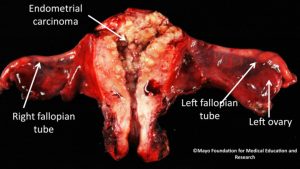
Carcinoma
Begins in epithelial cells that line the skin, organs and glands. Breast, lung and colorectal cancers are common examples.
80–90%
Sarcoma
A rare cancer of bone, cartilage, fat, muscle or blood vessels. Diagnosis usually requires specialist pathology review.
<1%
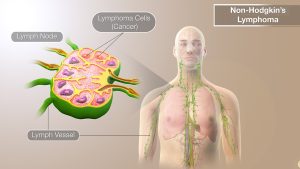
Lymphoma
Begins in the lymphatic system. Hodgkin and non-Hodgkin lymphoma are the two main groups, with many subtypes.
~5%
白血病
A cancer of the blood and bone marrow. It can be acute or chronic and is the most common cancer in children.
~3%
Myeloma
A cancer of plasma cells in the bone marrow. Multiple myeloma is the most common form.
~2%
Brain & CNS
Tumours of the brain and spinal cord. Some are benign; others need urgent specialist assessment.
~3%
Hong Kong Cancer Registry · 2022
Cancer in Hong Kong, in numbers
Cancer claimed 14,717 lives in Hong Kong in 2022 — about one in four of all deaths. The top five cancers accounted for 50.7% of cancer deaths, and 84% of deaths occurred in people aged 60 or older. The median age at death was 72.
14,717
cancer deaths in 2022
1 in 4
of all deaths in Hong Kong
50.7%
from the top five cancers
84%
of deaths aged 60 or older
Top five causes of cancer death
Share of all cancer deaths in Hong Kong, 2022.
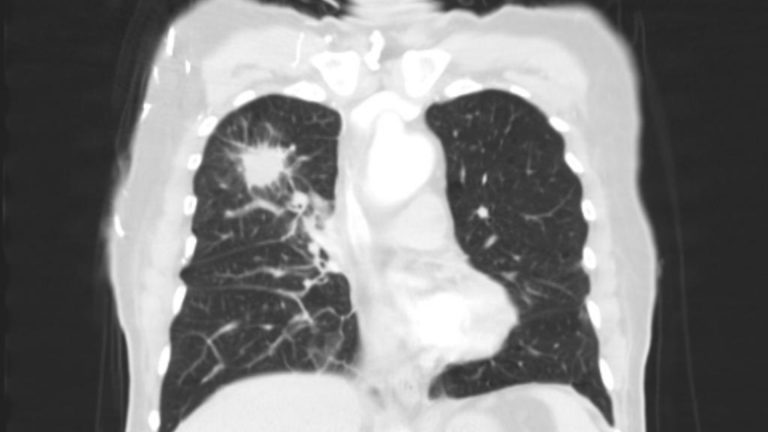
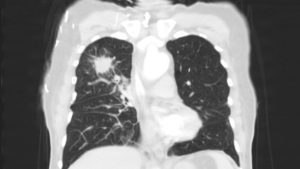
Lung cancer · 3,782 deaths
25.7%
Colorectal cancer · 2,270 deaths
15.4%
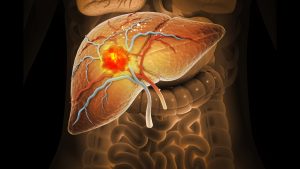
Liver cancer · 1,412 deaths
9.6%
Pancreatic cancer · 920 deaths
6.3%
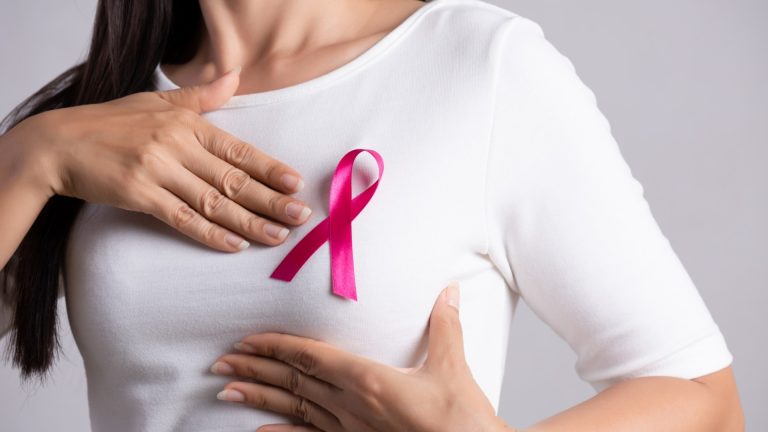
Breast cancer · 804 deaths
5.5%
The five deadliest cancers
Half of all cancer deaths, five diagnoses
In 2022, these five cancers accounted for 50.7% of cancer deaths in Hong Kong. The numbers show where early detection and timely specialist review matter most.
3,782
Lung cancer
25.7% of cancer deaths
Smoking, air pollution and late-stage diagnosis.
2,270
Colorectal cancer
15.4% of cancer deaths
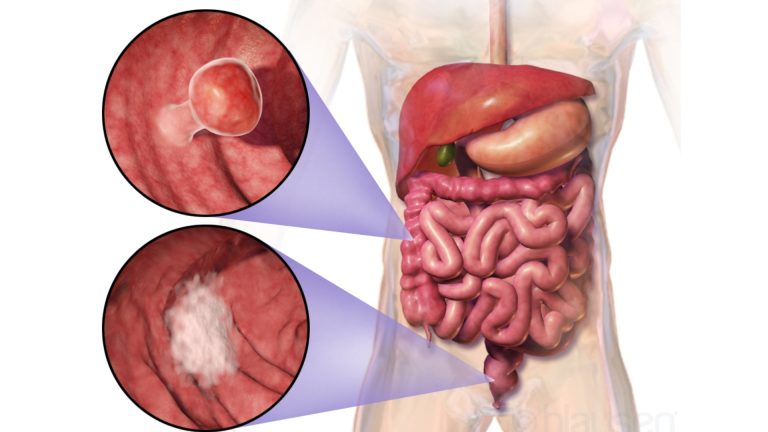
Screening can detect and remove precancerous polyps.
1,412
Liver cancer
9.6% of cancer deaths
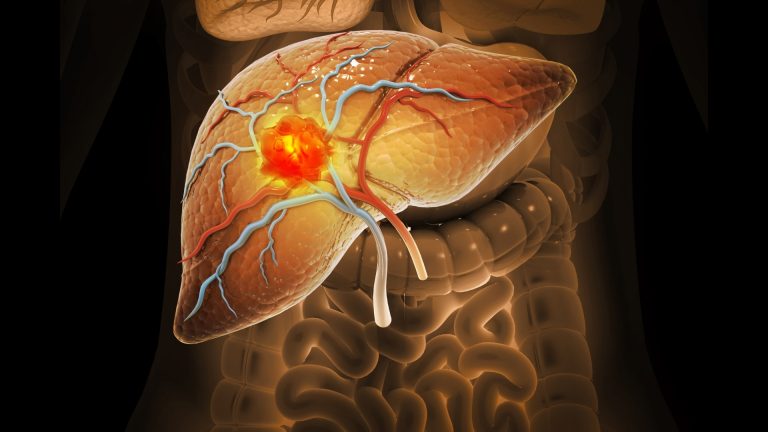
Chronic hepatitis B and C are major risk factors.
920
Pancreatic cancer
6.3% of cancer deaths
Often diagnosed late; early symptoms can be non-specific.
804
乳癌
5.5% of cancer deaths
Mammography and early treatment improve outcomes.
Source: Hong Kong Cancer Registry, 2022 data (published 2025).
From cell type to treatment
Why the classification matters
Two cancers in the same organ can behave differently. The cell of origin, molecular profile and stage all inform the treatment plan.
01
Carcinoma
Begins in epithelial cells that line the skin, organs and glands. It is the largest group, accounting for 80–90% of cancers.
02
Sarcoma
Begins in connective tissue such as bone, cartilage, fat or muscle. Sarcomas are rare, representing less than 1% of cancers.
03
Lymphoma
Begins in the lymphatic system. Hodgkin and non-Hodgkin lymphoma together account for about 5% of cancers.
04
白血病
Begins in the bone marrow and affects blood cells. It accounts for about 3% of cancers and is the most common cancer in children.
05
Myeloma
Begins in plasma cells in the bone marrow. Multiple myeloma is the most common form and represents about 2% of cancers.
How many types?
100+
distinct types listed by the National Cancer Institute.
200+
estimated when subtypes are included, according to Cancer Research UK.
3%
of cancers begin in the brain or central nervous system.
The exact number depends on how subtypes are counted. Classification continues to evolve as research advances.
The National Cancer Institute lists more than 100 distinct types. When subtypes are included, Cancer Research UK estimates more than 200. The exact number depends on how cancers are classified.
The difference is the cell or tissue where the cancer starts: epithelial tissue for carcinoma, connective tissue for sarcoma, the lymphatic system for lymphoma, and the bone marrow or blood for leukaemia.
Some cancers have a stronger hereditary component, including certain breast, ovarian and colorectal cancers. A family history should be discussed with a clinician, but most cancers are not directly inherited.
Bring imaging reports and discs, pathology reports, recent blood tests, a medication list and any previous treatment records. A family member or interpreter can help you keep track of the discussion.
Yes. Treatment aims may include controlling the disease, relieving symptoms and improving quality of life. The appropriate pathway depends on the cancer type, stage and general health.
Next step
A diagnosis is a starting point, not a conclusion.
Speak with our patient services team about your diagnosis, reports and the next appropriate step. We can help you prepare for a specialist consultation.
This page is for general information and does not replace medical advice. Treatment decisions should be made with a registered clinician after reviewing your diagnosis, staging and general health. Reviewed October 2026.